07 août 2023

Handhold Bird Photography with the Panasonic Lumix G Vario 45-200mm F4-5.6 II Power OIS


 Note: I am not a birder photographer in any ways but just a photo taker who loves to pick some interesting pictures of the birds occasionally. 

The "made in Japan" Panasonic Lumix G Vario 45-200mm F4-5.6 II Power OIS is not a "powerful" zoom lens designed to do bird photography. It is rather an all-around telephoto zoom optic to carry with you everywhere that can manage many different subjects that need to be discriminate from their surrounding and contextes. It isn't also a very expensive lens to own and its construction quality although fairly decent cannot be compare to more pro oriented product. Moreover its maximum variable aperture is definitively on the modest side (F4-4.6). But the Lumix G Vario 45-200mm II Power OIS has two interesting qualities with its internal optical stabilization system and its weather resistant envelope.

So, to do bird pictures with the Lumix G Vario 45-200mm II Power OIS, you need to be enough near of your subject to prevent too much editing cropping. The photographic technique selected can be different from a photographer to another. Some will work at fixed location and wait for birds. Others will trek around themselves to visit different promising spots that they know to be productive. And some will visit specialized zoo places to get pictures of more exotic species. Each of these can produce excellent results of their own. Observation, patience, good technical parametric adjustments and ... a lot of "try and error" pictures and finally be sometimes rewarded with fine iconic results.

Another good thing to experiment in doing bird photography is listing the different species and their particular habits by illustrating them. You can even participate to birder clubs or blogs and share your discoveries.

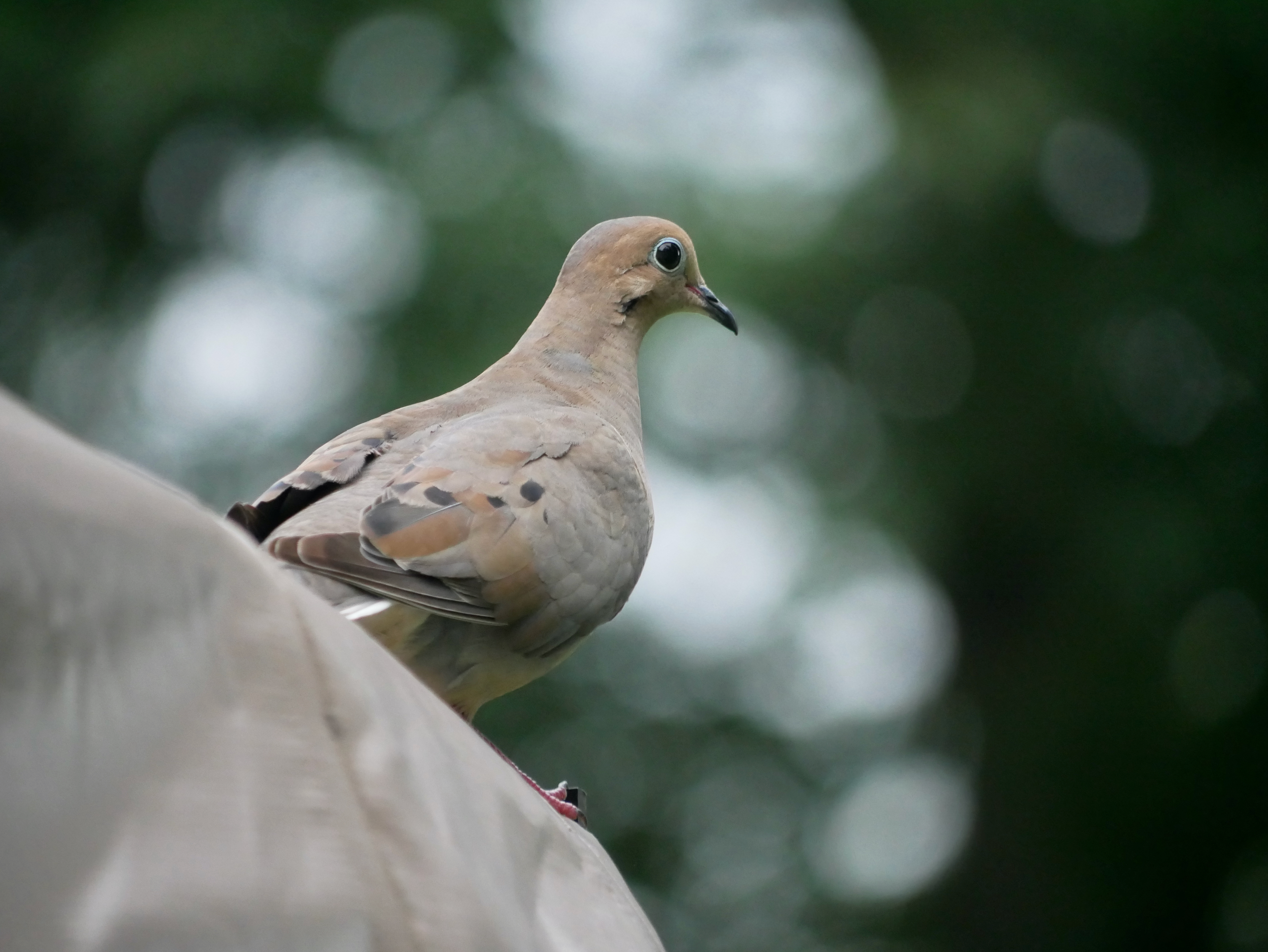
Here are some examples of handhold bird pictures taken by the Panasonic Lumix G Vario 45-200mm F4-5.6 II Power OIS.


Photos Daniel M: Panasonic Lumix G85 / G Vario 45-200mm F4-5.6 II Power OIS

28 juillet 2023

Better, Best and Butter?


 In the last ten years or so, the photographic gear manufacturers of this planet have determined that their business have nothing to do with photography, at least to a certain extend as long as theirs photo devices are sufficiently performing for the intended users and their ambassadors, i.e. many so-call “independent” photo gear reviewers. And we must agree that they have succeeded in this by a very large marge (of profit).

The popularity of the phone instant self portrait and its personal promoting efficiency have cut the necessity to offer by them cheap cameras, lenses and accessories. Now, many aspiring photographers as for more experimented ones are concentrate their effort to get the best photographic equipment available on the market. The appeal is so strong that the appreciation in regard of the photographer is mainly oriented to his/her gear acquisition instead about his/her imaging creative results.


I am not surprise because doing interesting and original photos with impact is still a rather difficult artistic exercice. Better blame the material instead of the author! This is where in-camera algorithms, automated post-editing and artificial intelligence (AI) are taking the lead for the modern photo takers (Please notice the use of the new definition here 😉). After all, those pretending visual artist are the butter (or the "cream") of the photographic gear industry.

And now we are seing more and more a new you tubers category, the “Why I left this gear manufacturer and its system”. I dont want to contradict all this very knowledge web people by saying that they are not if they have taken the time and the effort to discover and experiment all the fabulous potential of most of the actual digital camera models (and I can assure that this potential of creativity is huge, very diversified and efficient if you take time to learn it). No now people are speaking of ergonomics and interfaces that have to satisfy their own personal taste without any learning curve. Let’s say that is far from the times I have learned photography during the analog era (1970-1980 in my case).

If you kindly ask me what I think specifically of one camera model*, the answer will be invariably that it is a marvelous tool to explore and try. And certainly, there are fabulous for almost all of them.

So what is the best camera we can recommend: the one you will love to have, to cherish, to play with, to take with you and do photography and that you can rely for all your visual adventures.

📷 ____________________________________________ 📷

* But you already know that I have an absolute love for compact cameras!

Photos-illustrations Daniel M 

20 juillet 2023

Upgrade ourselves with a photographic firmware of your mind!


 Upgrading a digital camera via a firmware is now part of a photographer routine. Yes, we are always looking to better our technical base of taking picture, as for to be able to cope with more difficult lighting contexts. Many times we don't really understand which technical challenges that are involved in the process and more important what technical compromises and par extension which creative bias will be applied in the complete process. We look at a pleasant result but often knowing that we aren't really in full control of it (which is also ok).

In some ways we may need a "neural" upgrade to better understand the hardware and software limits of our marvelous photographic tool, the digital camera. How many of us have even taken time to read and learn from their camera operating manual (I am the first to blame for this). It is true that those last have became more and more lengthly complete to apprehend and I don't blame you to get annoyed by their obvious absence of a more friendly approach that should be illustrated by good examples of pictures. Let say they are for the most of them boring to say the least. Considering all the "ambassadors" at their disposal, the manufacturers should do better by far!


But on the rear side of the viewfinder, there is the photographer her/himself that may need to be upgraded as well. Doing photography is shorting a lot more than picture snapping with a smartphone as we may seen today. It is about "controlling" many if not all the photographic aspects of a picture from the preparation, the decisive moment and the edition of the final result to share. And this why we choose to own and work with a real and firstly designed device for photography.

The world surrounding us is a lot more than only a 2D virtual picture shown on a screen representation. It is a intensive dynamic light universe in perpetual motion that can be difficult to apprehend even partially. So, our first photographic "task" is surely observing its complexity and try to understand its constant evolution. That way we refine our "photographic" mind to retain and store many diverse imaging subjects and contexts that will be references for future experimentations. We explore first instead of blindly picking without any creative premeditation.

Interrogating ourselves is another important part of the creative process of any artistic approach (as for many other approaches in life) because curiosity has to be fulfilled with some all sorts of answers that will get us further into the learning process of life. We are still into our humanity infancy or may be a bit further into an ado crisis thinking we know everything based on a fragmentary experience level in life. Be modest but having great expectation is OK and better more if we feel confidence in our (personal) star. Doing photography is more than only repeating ourself as it first seems but it is also going a bit further.


Master the basic of photography
can essentially definite by the light, the composition and the decisive moment. All those element can be analyze through our visual perception and mind deduction. Yes the technical translation of these ones depend of the hardware/software we are using to record them but the initial and inspired impulsion is done before the final clicking. We can compare cameras and lenses as photographic tools as for painters brushes, palettes and colors that will be selected, adjusted and applied on the virtual canvas of the image sensor. Each elements will impact the final result and transmit the emotions that will generate the picture share to others.

Introspect your work and share your pictures. That are may be the most evaluating part of your creative process. Looking to what you have done on a critical positive point of view will motivate you to extend your photographic search and try further experimentations. Sharing your pictures can help you to understand your personal place into the photographic universe which can be far different from the usual stereotype proposed by the pseudo traditional approach in art.

Updating ourselves is a never-ending quest to push ourselves to higher levels of creative expression and might be one of the best way to appreciate our photographic passion. 

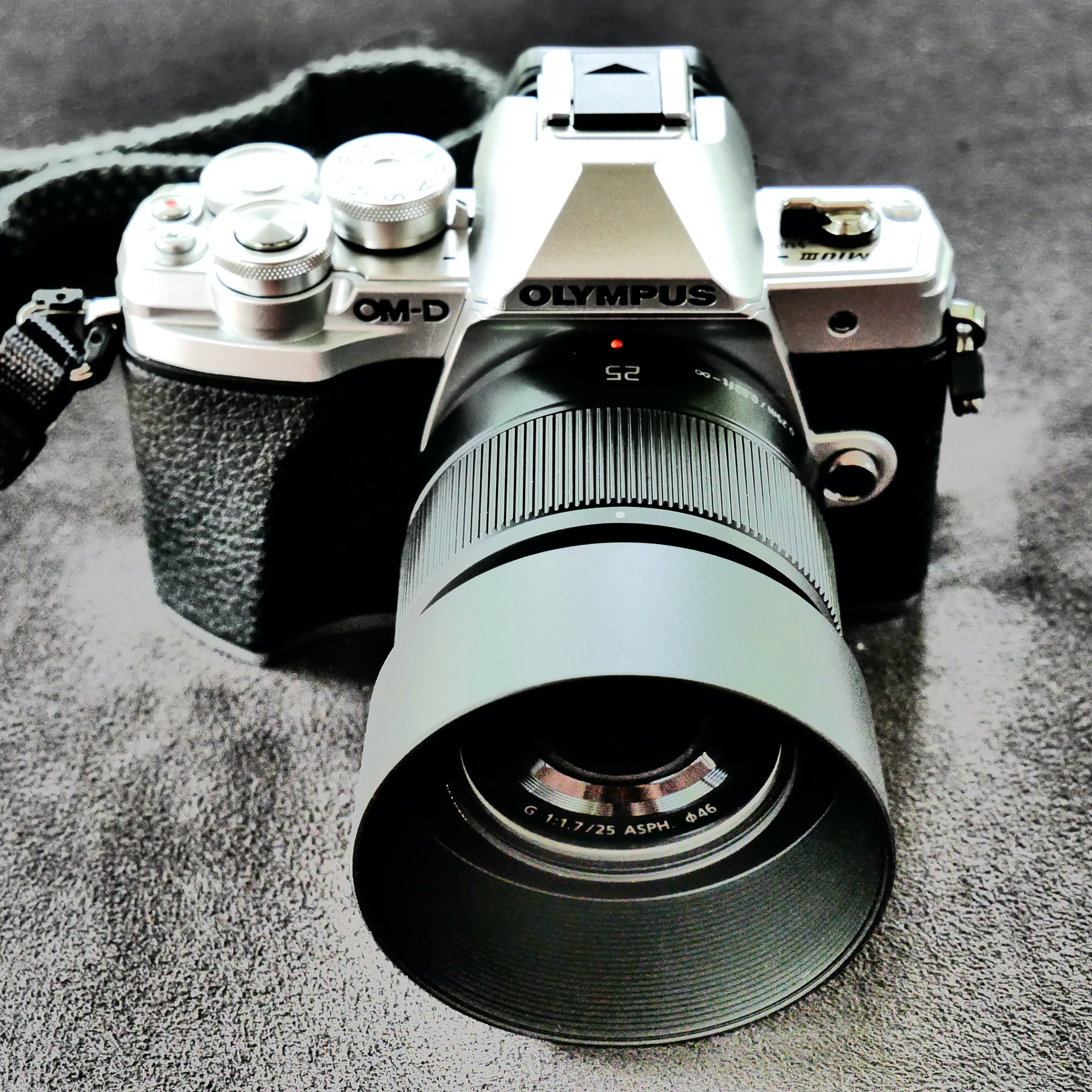
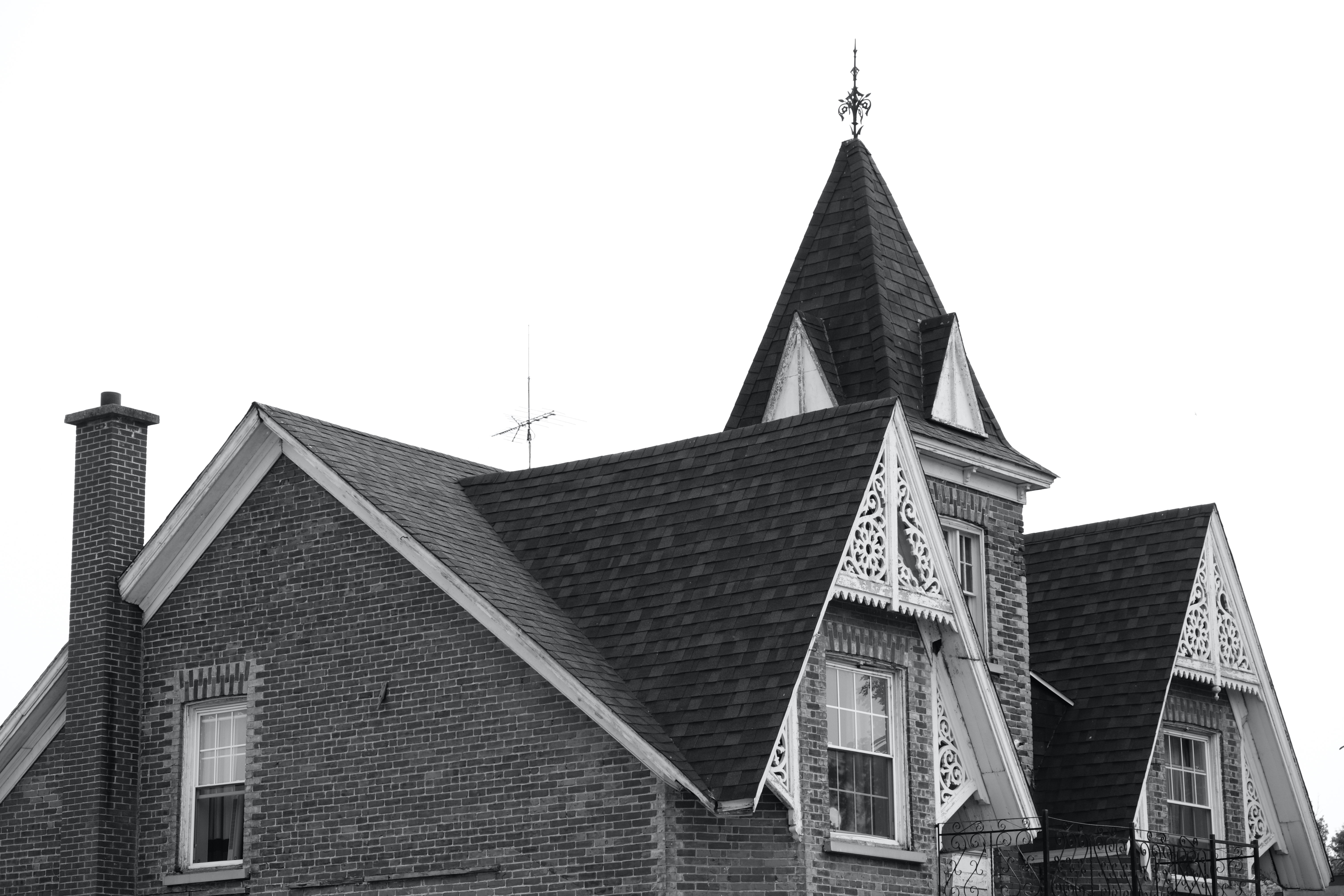
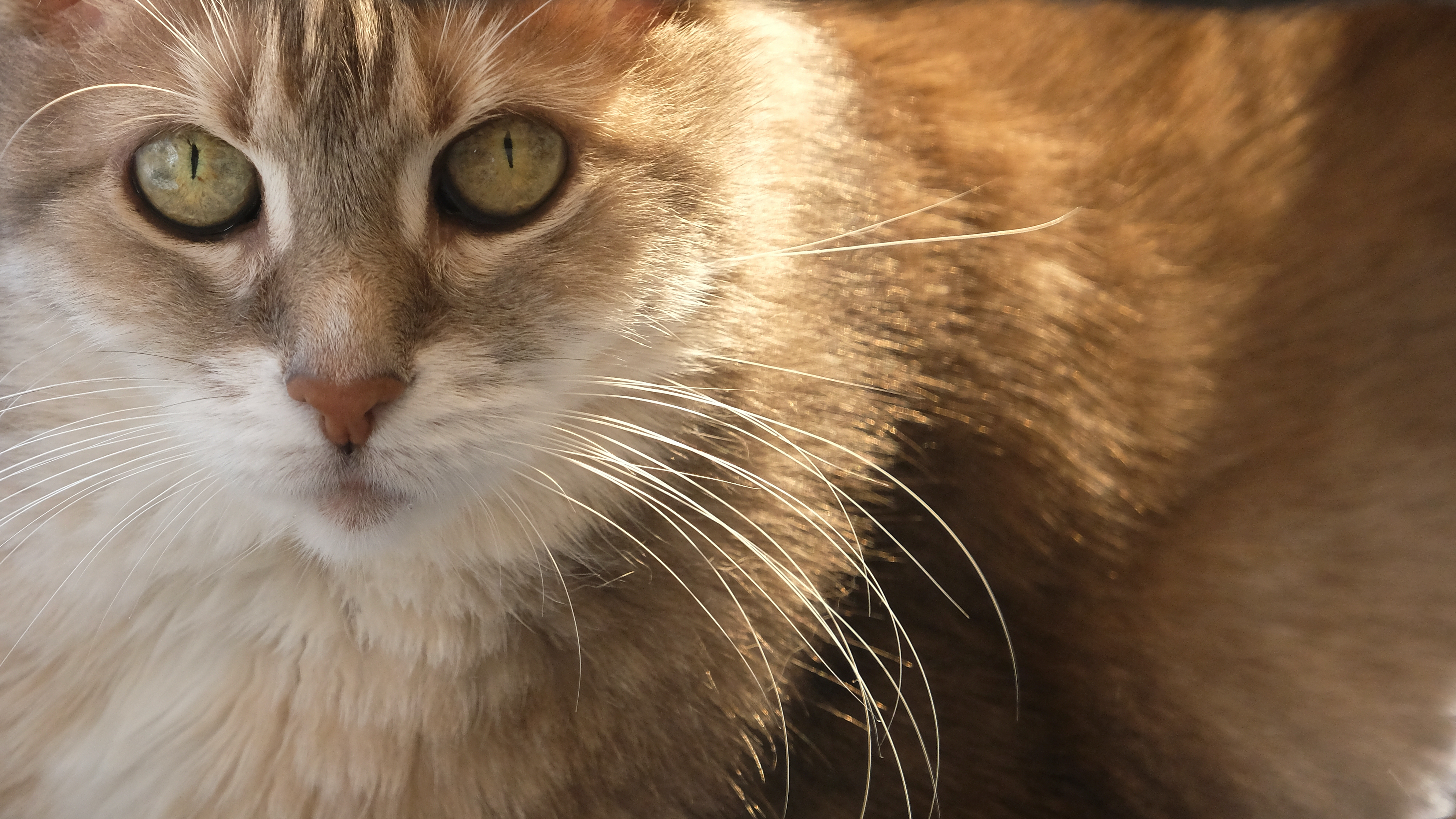
Photos Daniel M: Olympus OM-D E-M10 Mark III / Lumix G 25mm F1.7 ASPH; Olympus Pen-F / M.Zuiko 14-42mm R;  Panasonic Lumix GX85 / Lumix G Vario 35-100mm F4-5.6 ASPH OIS

14 juillet 2023

A bigger lens with a smaller camera body: Is it really an odd mix?


 We use to recommend an equally distributed weight between the camera body and its attached optic. It is a fair preoccupation especially when we are speaking about the smaller size compact cameras. After all we are looking for the less intrusive photographic gear to bring with us for doing our photo taking sessions. Furthermore, we don't want to generate too much fatigue when those sessions are prolonged or when we are moving a lot like on a travel or for street photography. All this is very legitimate but what happens when we decide to opt for a longer focal prime or zoom lens? It is here that some controversies start to occur.

The advises may differ slightly but most of them will suggest you to avoid using small cameras with bigger optics. In fact, it is how you are intending to hand hold in practice your photographic gear that is matter more than anything else. With bigger or heavier lenses, there is no choice than put your left hand in contribution as an essential (and as the most important) support of the optic. At this point, your right hand will serve mainly if not entirely as a camera controller. That way, you will not over stress the lens/camera mount and make sure that your shutter releases will stay positive and smooth. Moreover putting your left elbow on your chest or on any additional support surface will also help to get a maximum stabilization for your camera-lens combination and will preserve of too much holding fatigue.


You might find that using a compact small camera combined with a bigger lens is more fun to do so in comparison of the big camera-big optic one. For example with the Fujifilm X-mount system in some photo taking contexts, I will prefer to couple my older but beloved Fujinon XF55-200mm F3.5-4.8 R LM OIS zoom lens with a diminutive Fujifilm X-E3 or X-S10 cameras. It help a lot to concentrate myself on the creative part of the photo project, or it will ease a lot to bring the camera combo to an improvised photo outing. To free more your hand, you can put the camera/lens kit inside a small shoulder-messenger gadget bag instead using the classic camera shoulder strap. In privileging your comfort you simply enhance the pleasure of discovering your subject in its context.

Avoiding frequent changes of optics may be another key of photographic success that will dependent more on pre-visualization than improvisation. If you learn to apprehend your lens, your chance of photo success will improve. You will feel in control of your creative effort.

Even if there is no specific "rules" about the photo gear to select and how to use it, some long said repetitive ideas are not always the most interesting ones for the photographers her/himself. Trying something different (that is breaking the usual rule) may a key point to start a new interest to produce pictures and share them. After all, using a compact camera with a bigger lens may not be an anathema.😉

___________________________________

Photo-illustration & Photo Daniel M: Fujifilm X-H1 / XF 18-55mm R LM OIS; Fujifilm X-S10 / XF 55-200mm R LM OIS


12 juillet 2023

05 juillet 2023

What is compactness?


 When we speak about the science or the art of creating a compact device of any kind (phone, camera, bag, tent, car), you can be sure to ignite a debate about the criteria to select and use to do so. Sure, compactness is often associate to be small and functional. Sometimes compact designs are cleverly built with a lot of surprising features like our modern cellular phones that are now more miniature mobile computers than simply an audio communication device.

Compactness is also often referred when speaking about the traditionally oriented photo gear. In fact everything may seem to be compact depending the way you are analyze it at first. For example some medium format image sensor camera models (I am thinking about the Hasselblad X1/2D series in particular) have been introduced as compact and handy cameras. By opposite we cannot say the same for some others smaller image sensor format camera models such as the Nikon Z 9 for example.

I love compact cameras since my introduction to analog photography, lets say a few years or decades ago! I can recall using a Fujifilm Fujica GS645 which was at that time a wonderful medium 6 X 4,5cm film format camera that was folding down to fit a larger coat pocket. Although it was a fragile camera in terms of our actual criteria, the Fujica GS645 was delivering outstanding high quality pictures. In one word, compact cameras aren't bulky and heavy photo devices by definition. So, what will be a good comparison between a "full" size camera and a compact one?


To give an example among many others, I have put side by side two Fujifilm X-Mount series models (see here ): the Pro X-H1 and the diminutive X-S10 assuming that these two will deliver similar picture results and that both models have same basic functionalities especially in regard of internal image sensor stabilization system (IBIS). In terms of dimensions and weight the contrast between the two Fuji cameras is simply spectacular. As a Pro oriented model, the X-H1 is more than 40% heavier than the X-S10 and the X-H1 overall dimensions surpass the latter in height, width and depth. Facing your subject, the Fujifilm X-H1 is a much intimidating camera and further more when you combine it with a Fujinon Pro optic.

On the other side, the Fujifilm X-S10 is a much lighter package, much less demanding to handhold for longer periods of time and less more intrusive for your subject. It is a camera you like to bring with you for travel, urban or casual photography sessions. Coupled with a smaller lens or zoom lens, it is a joy to manipulate and take pictures with its simplified interface and very competent automated modes. Its only real annoyance is the fact that the X-S10 is not a weather resistant (WR) camera model compare to the pro X-H1 which is on its part a true photographic tank.

There will always a debate on how we can qualify something as a compact think. It can be related to physical characteristics or cultural perceptions or to the inner functionalities of the device itself that is replacing larger ones. Today's compact cameras (with the exclusion of the mobil phone category) are becoming rarer in part because photographic gear is now a very niche market (but still with hundreds of thousands users😉). Camera manufacturers are limiting their offer to some specific models such as the X-E, X-S and X-T(2 digits) series in the case of Fujifilm. And compact cameras are now comparatively from the past more expensive to get. But at the end the demand for compact devices had never been stronger than it is at this very moment. People want to be free in their mobility and bring with them less material things than ever. This is a tendency that even the best photo gear manufacturer cannot ignore.

_______________________

P.s. Notes

If you ask me which of the Fujifilm X-H1 or the Fujifilm X-S10 model is getting my preference, the correct answer is that I really cannot tell. Partly because they are so different camera models that comparisons seem to be irreconcilable. In brief I love to work equally with them. As an ex-professional photographer, the Fuji X-H1 is clearly a superior made (WR) product that shows in every ways like its magnificent electronic viewfinder (EVF), its sturdy interface (dials, joystick, D-pad, push buttons, etc) and its high levels features such as its two-memory cards port, its optional (two power pack) vertical grip.

On the other front, the Fujifilm X-S10 is like a mini simplified version of the X-H1. It is light, small, discrete but competent and sufficiently reactive for a casual photographer like me that doesn't want to always use protuberant photo gear. Moreover, the two Fuji models are sharing the same battery packs (NP-W126S), the obvious same lens mount, the same flash accessories and are using the same memory cards formats (SD). These similitudes are limiting your gear investments and give a further versatility on the spot.

The Fujifilm X-H1 and X-S10 have been already replaced by upgrading ones, X-H2 and X-S20. So it is possible to reproduce the previous duo but at a significant higher selling price level than it use to be (not far from 30% more for the X-S20 and from 40% for the pro X-H2), thanks to the general inflation tendency and the production higher costs. For those who are still interested to get a Fujifilm X-H1 or/and a Fujifilm X-S10, there is always the used market alternative where many of these good products have low shutter count.

Photos-illustrations Daniel M

26 juin 2023

Build(ing) Block-Aid


Photos Daniel M : Olympus OM-D E-M5 Mark III / M.Zuiko ED 14-150mm F4-.6 II; Oly Art Effects

23 juin 2023

The Fujifilm X-H1: the pro that never had a chance! (revised)


 This is a story that can be narrated many times for all the people and for the things they have created at a wrong moment but that may have been successful if things have worked differently. Everybody knows at least a story like that. The Fujifilm X-Mount series model X-H1 is certainly one of those. This Fuji camera model was especially designed and produced to be the ultimate and first professional X-mount model that is integrating great photographic and video performances, long durability, and enhanced reliability, and carefully ergonomic and interface studied design. It was the first Fuji X-mount series model that is also integrating an internal body stabilization system (IBIS) following a long waiting amount many APS-C image sensor format users. 


Presented in February 2018, the Fujifilm X-H1 hit the photographic market the next month in March 2018 and was not received with all the enthusiasm from the photo reviewer community as we may have expected at the time partly because the hybrid digital market was in full swing with new models from different manufacturers introduced at a frenetic pace at this very moment of time. Furthermore, there was always that contingency and a fierce competition between the three image sensor formats: MFT (Micro Four Third), APS-C (17 X 24mm) and the so-call "Full Frame" (24 X 36mm).

In the compact camera professional photographic gear, the market has been dominated for decades by mainly two camera manufacturers: Canon and Nikon although Leica traditionally hold its own partisan faction. Yes, there were other competitors on a marginal base that try to get a part of the cake like Minolta, Olympus, Pentax but it remained the Canon-Nikon sandbox for years. That phenomena still exist today with the addition of the aggressive and mighty Sony who is shaking that dual domination.

The professional APS-C image sensor format cameras are not new and, for a time, were well serve by Nikon who was claiming that it was the new obvious format in the digital world of photography for many reasons that the same Nikon have now a tendency not remembering today... Even Canon had its own APS-H format that have been erased in favor of the digital 135 (35mm) format revival.


What is very different about Fujifilm is that their X-Mount series system was already a very mature line of products with several camera models and lenses already available and often renowned for their optical quality and good construction. So, the Fujifilm X-H1 was integrated in a complete line of already existing product offer instead of the reverse for it has been for Nikon that never have fully developed a complete line of (pro) lenses for its APS-C pro cameras. It is true to say that Nikon had already a complete line of optics that dated from the 35mm analogically era.


It is true to say that the Fujifilm X-H1 was a big piece of photo gear but it cannot be seen as a real disadvantage in the view of the professional users who often prefer to work with larger prehensile camera body and vertical grip optionality. Fujifilm have decided to maintain the use of its NP-W126S battery pack but have proposed that their vertical power grip been equipped with two additional NP-W126S that triple the autonomy of the X-H1. Same for the two memory cards insertion slots installed in the camera. All these characteristics qualify largely the X-H1 for a daily intensive use.

For those who had the privilege to use the Fujifilm X-H1 on a frequent if not frenetic bases, their appreciation were largely favorable as a photographic and videographic tool.


What really have obsessed the small photo Web planet was the introduction just six months later (September 2018) of the new Fujifilm X-T3 camera model which carry a new 26MP image sensor alongside with interface improvements such as the autofocus algorithm. Even without any internal body stabilization system (IBIS), that will appear later the X-T4 model, the X-T3 was perceived as a step forward of a new generation of camera models from Fujifilm. And curiously Fujifilm have decided to get rid of their X-H1 stock inventory by offering them at an outstanding discount price.


Here are some Fujifilm X-H1 factors that have seduced many. First the ergonomics of the X-H1 that correspond to the professional criteria of the larger size camera body that harmonized with most of the "Pro" lenses (which are usually larger than the regular ones). The command dials and the functions button that were sturdier and, again, in larger size. A direct access to the basic photographic parameters. A sumptuous electronic viewfinder (EVF) with an eyepoint of 23mm from the camera's eyepiece in consideration of the photo reporters, the sport photographers, the journalists, and the other action photo shooters that are all relying on EVF most of the time. A very good internal (in-body) stabilization system implantation that not only prevent the photographer shake effect but give a better viewing comfort (especially when doing manual focusing). An interesting approach for the LCD Live View (rear) articulated screen that allow controlled movements for waist level viewing (both horizontally and vertically) and "over the crowd" viewing. A combination of a joystick and a D-Pad control interface. A complete vertical grip optionality with all the principal functionalities. And a lot more characteristics could be added to that partial list.


In term of image output results, the 24MP sensor was performing at its best delivering fine pictures in every situations or contexts. Fujifilm simulations are outstanding especially for photographers that have already an experience into analog-film photography. The autofocus system is competent although all these automated systems have their own limits considering the special needs of each photographer. The exposure metering accuracy and the auto white balance feature are reliable and able to translate a correct light and color atmosphere of the subject (according that you don't voluntarily alter them). The Fujifilm X-H1 can be a nervous camera capable of frenetic rate of picture shooting (for those who to stack numerous similar files on their memory cards). Many Web reviewers have already praised the video abilities of the Fujifilm X-H1, but I cannot speak about a cinematic domain with no real experience.


Only a small fraction of the Fujifilm X-H1 abilities have been presented and discussed here since this is not a full review intended but more a brief overview of its capacities. I won't argue the fact there are other camera models from manufacturer that can surpass the X-H1 performances in different ways. It will certainly happen when Fujifilm will introduce its replacement (X-H2) hoping that this time will be the one that many Fuji enthusiasms will celebrate for a longer period. And hoping also that the "pro" photographic community in general may embrace more notably the Fuji camera model.

There is still a lot of Fujifilm X-H1 cameras haunting our photographic planet that are fulfilling their primary task of taking beautiful pictures (and videos) in a reliable and performing fashion. It is a very mature photographic tool that their owners have learn to appreciate at its right value of a real "pro" companion. It just has missed a good timing...

© Photos Daniel M: Fujifilm X-T20 / XC35mm F2 & X-E3 / XF 50mm F2 WR ( X-H1 illustrations); Fujifilm X-H1 / XC50-300mm OIS II /XF50mm F2 WR / XF55-200mm OIS / XF27mm F2.8

12 juin 2023

Diagonal Meaning


Should you separate my vision of this world

If only I could fractionate my heart

For sure I will be a consecrated queen!


Photo Daniel M: Fujifilm X-S10 / Fujinon XC 50-230mm F4.5-6.7 OIS / Acros Picture Mode

08 juin 2023

More than this!


I can't find better to see in that world

A street, a cross road, two mannequin, a motorbike

Sitting at the corner observing the passing of life

Clicking in the absurdity of observing

What are we more than this, I don't know!


Photos Daniel M: Fujifilm X-S10 / Fujinon XF 18-55mm F2.8-4R LM OIS

03 juin 2023

Simplicity vs Complexity: parametric fantaisies


 Each time you are anticipating to start a new photo taking session, there is often the question on how to configure your photographic device. Since we can choose and select about anything we want (and even more on what we doesn't know it can be done) through imaging preset bias (and post editing too), it is becoming a very challenging and confusing task.

Nobody can pretend to describe an absolute and universal parametric guideline regarding doing photography but we can imaging that some sort of partial check list may help at least the ones who are asking for and as soon you already have determined which camera and optic you will work with, you may concentrate yourself on some very basic photographic parameters like:

-some technical aspects:

The choice of the image sensor picture mode and its effects;

The sensitivity (image sensor "speed" - ISO) and its pixel resolution level impact;

The shutter speed or the movement expression;

The lens aperture or the focusing discrimination;


-and some creative approaches:

The angle of view or the importance of the subject in its context;

The composition or the graphic canvas organisation;

The light distribution or the contrast of the subject surfaces and the importance of their respective details (or absence of);

The expressive and decisive "moment" of the picture taking;

Any of those have an important impact on the image final rendering and its ability to seduce the looker. The other ways around is letting the camera brain decide for you what will important to adjust, providing you have firstly program it on the type of picture you are looking. In fact this is not new (it already has been present during the last decades of analog-film photography) but the degree of sophistication is now so high that is often surpassing our human ability and motivation to do by ourselves.


The thing that doesn't change is our choice of subject and the moment we are selecting to take its picture (although you can literally "film" it with a large picture taking sequence). So, the intention of photographing is still there and its purpose stays into our hands. Some photographic parameters are easier to master and with the modern electronic viewfinder (EVF) or the live screen (LVF) you can control their final effect right from the start before taking the picture. In a way digital photography is a much more effective way of doing it with less incertitude for the final result.

Many "partial" automated camera programs allow you to control one parameter at a time such as the lens aperture (A) or the camera shutter speed (S). Even with the full program position (P) you can introduce an exposure correction factor. Most modern digital camera models are giving you the possibility to vastly reconfigure them. At this stage simplicity leaves place to complexity which is asking for a more skill approach from the photographer. But in any case, you have the choice do less or more and determine the level of technical implication you want to involve into your photographic essaies.

Photos Daniel M: Panasonic Lumix G95; Fujifilm X-S10; Olympus OM-D E-M5 III 

25 mai 2023

Our own convictions against the reality checks!


The Artificial Intelligence (AI) debate cannot only be about the accuracy or the pseudo-realism of fake or "creative" alternative views of our surrounding life (including people). It concerns also our profound believing of what can be, would be, prefer to be, reality is for us. In other words, we cannot change the perception of somebody else if this very person won't accept any critical point of view that contradict their already conceive interpretations of facts. 

For photographers, it is interrogating their own convictions about integrity and honesty in regard of their imaging subjects and their specific and artistic interpretation. In this very competitive world of explosive demographic, the social, economical and political pressure has never been so high and it is an easy understanding that people want to get a psychological and simpler refuge face to the always growing individual and collective challenges that each next days are bringing. And the photographic world cannot escape this new "reality". 


Manipulating picture has been part of the history of photography since its very beginning. Using it as a propaganda tool also. Photography is not an "objective" technique or art. But saying this doesn't allow us to simply withdraw any responsibility concerning our subject interpretations. When we speak about integrity, we often refer to honesty in front of the others but we often forget that this process must begin about ourselves. If the main purpose of register and share pictures is showing something before demonstrate a preconceive argue, there is always a chance that those iconic representations deliver a message larger than the first impact intended by their authors. Integrity is proposing an open door instead of a close minded perspective.


One part of doing photography that is very interesting is its exploring value of the subject. We want to expose this subject with different aspects and contexts that will confer to the picture its originality. It is also part of an intention of seing openly, differently, unlimitedly our surrounding world. It questions us and contributes to the evolution of your thinking. And it creates alternatives to a stationary state of mind that often cannot cope with dissident but true realities of life. Photographers can and may contribute themselves to this human salvation search and progress. 

***

Creativity implies the use of many interesting techniques and those techniques are by definition tools without any predetermined opinions about the subjects we apply them. It is to us to consider if the interpretation of the subject will correspond to our own integrity.

Photos Daniel M: Olympus OM-D E-M1 Mark III / M.Zuiko ED 12-40mm F2.8 Pro; OM-D E-M10 Mark III /  M.Zuiko 14-42mm R 

20 mai 2023

Compact, affordable, performing!


 Three words that can definite what camera system I have been looking for ever tirelessly for the last four or five past decades. First during the analog-film era and thereafter with the promising introduction of the digital photography. Have we reached this goal today? In one way, yes because there are good performing compact digital camera systems available to the enthusiasms or even the professionals that are looking for it.

The true is that even though this achievement has been reached in the past decade, we are still looking for improvement if not another big technological breakthrough even if necessity cannot entirely justify it. The popularity of “doing photography” has exploded in particular with the event of the multi-task cellular phone and their constant performance improvements. The debate to know if all those pictures will be shared or edited and archived is another think to consider but we can leave that for another for-coming discussion.

What we are looking, at least for some of us, from the technological evolution point of view, is the ability to design smaller competent real cameras (yes, with a true viewfinder and a practical ergonomic interface) that are small enough to be bring with us without any size dimensions and weight annoyance. Over my modest experience as a everyday photographer, I have concluded that for the traditional film-analog era, the 35mm format was one of the finest compact (manual focus only) camera design (that assessment have deteriorated later when the autofocus and motorized models have appeared). For digital photography, I have fully embraced the Micro Four Third image sensor format for the obvious reasons of the camera-lens combination size and weight. We can say almost the same for the APS-C sensor format although this particular combination is in fact a bit more bulky.

There is always the famous image quality debate raging between the smaller sizes image sensor formats especially concerning the so-call Full-Frame (religious) adepts but you can choose to completely ignore them knowing that the most vindicative of them seem to have a problem to concentrate themselves for producing and sharing their own pictures😉.

At the end, a new dream camera is no longer part of my everyday though since the actual photo manufacturer offers should satisfy most of the photographer’s needs for a compact, affordable and competent photo (primarily designed for) device.

Photo-illustration Daniel M

09 mai 2023

Forward to the past: the Olympus Pen-F keeps coming back again!


 It is one of a kind never preceded, never replaced (by Olympus) after all those years of love and discussions about its possible future. But, in one way, the Olympus Pen-F digital camera was already at its evolutive pinnacle right from its introduction. Sure you may argue there is always place for improvements and it has been a pity that Olympus has stopped its effort after this very unique camera model.

This spring I was totally unable to resist to own a third copy of the Olympus Pen-F. Finding one a good shape at a reasonable selling price on the use market was an outmost challenge (Thanks to Louis, a fellow Canadian, that made this dream to happen again).

The Olympus Pen-F (2016) was release only seven years ago and have appeared to be a very niche Micro Four Third (MFT) digital camera model right from its start. Controversies about its video interface (No microphone & headphone ports) have introduced certain doubts about its overall capability but photographically speaking, the Pen-F have certainly equaled and have surpassed the Olympus OM-D E-M5 Mark II model available at the time. The absence of the weather resistant (WR) characteristic has been also a deterrent factor for some others. At the end, all these reserves regarding the Pen-F have been proven to be less important today if you consider that the Olympus Pen-F in use condition is selling an higher price than it was brand new!

The fact is that the Olympus Pen-F is a very discrete camera model (even more in its black livery). For street photographers, for travelers, for everyday photo takers, the Olympus Pen-F is a small marvel to interact with and can give excellent picture results. Moreover it perfectly suit the use of small lenses with good maximum aperture of F1.8-2. Its handling is similar of what we can expect of a rangefinder style digital camera. Additional grip can be obtained with the optional ECG-4 grip but at the cost of a more bulky photographic device. The electronic viewfinder (EVF) is detailed although its magnifying ratio stay modest compare with the Olympus OM-D E-M5 Mark II or Mark III models for example. The back screen is fully articulated and can fold in for maximum anti-scratch protection.


All the control dials and function buttons are easily accessible. The mode dial have four different custom setting available which is exceptional. The dedicated exposure correction dial is also an exception compare to many other Olympus models. The special effects front dial allows you to set directly the Pen-F at its monochrome and color modes. The shutter release button is smooth and its pressure reactivity is predictable and you can use it with a traditional photo cable release cord. The On/Off switch mimic the older rewind reel used into past analog-film cameras. No flash has been incorporated to the Pen-F body but an add-on and head-orientable mini-flash (FL-LM3) was furnished by Olympus with the other usual accessories. You can consult these further personal reviews of the Pen-f here.

The Olympus Pen-F interface is very complete although it will ask you a certain learning effort on your part (as for all Olympus camera model interfaces). I suspect that more and more the camera manufacturers will introduce new camera models with extendedly integrated artificial intelligence (AI) that will take charge of all the parametric aspects of their camera. That could be tricky considering that the personal bias of the photographer might be ignored and be overpassed in favor of implanted algorithms. Creativity and originality may be the last frontier to preserve for the art and cultural human evolution. Only the future will tell if this artistic threat can be overpassed.

One of the best lens combination with the Olympus Pen-F can be obtained when you are selecting one of their Premium series optic: M.Zuiko 12mm F2, 17mm F1.8, 25mm F1.8 and 45mm F1.8 (the ED 75mm F1.8 is also a brilliant choice but with a larger size factor). All those Premium lenses will perform neatly with the 20 megapixels Pen-F image sensor. Pictures will be crisped and fine definite and color rendition will be similar along the entire focal range. Because of the bulk of the M.Zuiko Pro lenses, you can felt much less handheld comfortable to attach them on the Pen-F except if you intend to use your left hand as the main support of the lens-camera combo.

Few words about the esthetic presentation of the Olympus Pen-F: it is classic, it is gorgeous, it is glamour. It is still a reasonable pleasure that a photographer can afford to pay for (in the used market) at this very moment in time that digital camera "rangefinder like" new models tend to disappear from the actual camera manufacturer catalogue. For the record, specialized photographic devices have been always a niche market (but it is true to say that all the past Brownies and Instamatic of this world have been replaced by the today multi-fonctional phones).

The Olympus Pen-F is a very creative tool as least for its supportive users like me. It suit a specific style of photographers that want to be less intrusive with their subjects, let say, more casual in their approach. If you are an observer type of person that like to further analyze your preferred subjects with a repeated visiting, the Pen-F will be an almost perfect companion.

Photos Daniel M : Olympus OM-D E-M5 Mark II (Pen-F Illustration); Olympus Pen-F