Aucun message portant le libellé Fujifilm X-H1. Afficher tous les messages

23 juin 2023

The Fujifilm X-H1: the pro that never had a chance! (revised)


 This is a story that can be narrated many times for all the people and for the things they have created at a wrong moment but that may have been successful if things have worked differently. Everybody knows at least a story like that. The Fujifilm X-Mount series model X-H1 is certainly one of those. This Fuji camera model was especially designed and produced to be the ultimate and first professional X-mount model that is integrating great photographic and video performances, long durability, and enhanced reliability, and carefully ergonomic and interface studied design. It was the first Fuji X-mount series model that is also integrating an internal body stabilization system (IBIS) following a long waiting amount many APS-C image sensor format users. 


Presented in February 2018, the Fujifilm X-H1 hit the photographic market the next month in March 2018 and was not received with all the enthusiasm from the photo reviewer community as we may have expected at the time partly because the hybrid digital market was in full swing with new models from different manufacturers introduced at a frenetic pace at this very moment of time. Furthermore, there was always that contingency and a fierce competition between the three image sensor formats: MFT (Micro Four Third), APS-C (17 X 24mm) and the so-call "Full Frame" (24 X 36mm).

In the compact camera professional photographic gear, the market has been dominated for decades by mainly two camera manufacturers: Canon and Nikon although Leica traditionally hold its own partisan faction. Yes, there were other competitors on a marginal base that try to get a part of the cake like Minolta, Olympus, Pentax but it remained the Canon-Nikon sandbox for years. That phenomena still exist today with the addition of the aggressive and mighty Sony who is shaking that dual domination.

The professional APS-C image sensor format cameras are not new and, for a time, were well serve by Nikon who was claiming that it was the new obvious format in the digital world of photography for many reasons that the same Nikon have now a tendency not remembering today... Even Canon had its own APS-H format that have been erased in favor of the digital 135 (35mm) format revival.


What is very different about Fujifilm is that their X-Mount series system was already a very mature line of products with several camera models and lenses already available and often renowned for their optical quality and good construction. So, the Fujifilm X-H1 was integrated in a complete line of already existing product offer instead of the reverse for it has been for Nikon that never have fully developed a complete line of (pro) lenses for its APS-C pro cameras. It is true to say that Nikon had already a complete line of optics that dated from the 35mm analogically era.


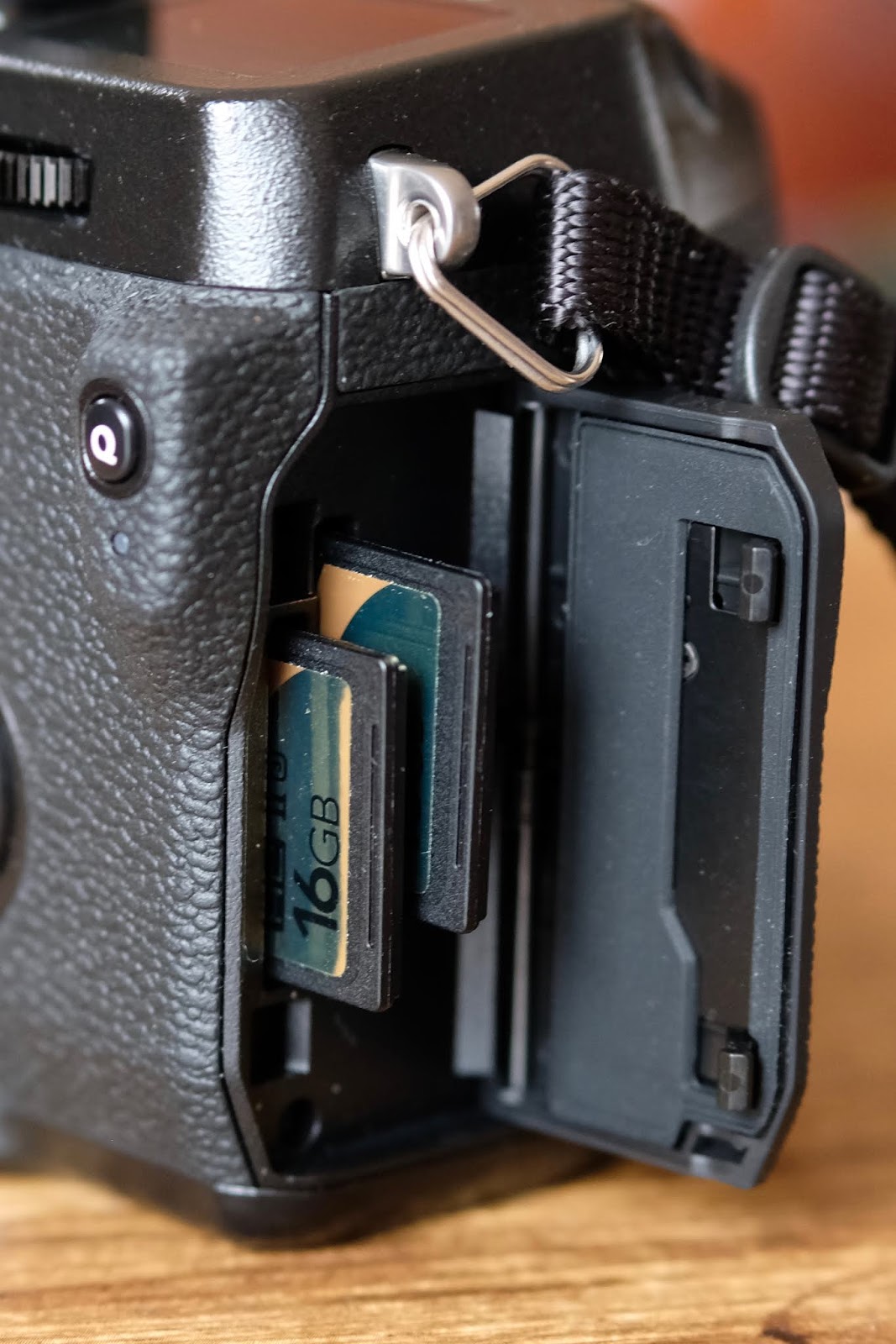
It is true to say that the Fujifilm X-H1 was a big piece of photo gear but it cannot be seen as a real disadvantage in the view of the professional users who often prefer to work with larger prehensile camera body and vertical grip optionality. Fujifilm have decided to maintain the use of its NP-W126S battery pack but have proposed that their vertical power grip been equipped with two additional NP-W126S that triple the autonomy of the X-H1. Same for the two memory cards insertion slots installed in the camera. All these characteristics qualify largely the X-H1 for a daily intensive use.

For those who had the privilege to use the Fujifilm X-H1 on a frequent if not frenetic bases, their appreciation were largely favorable as a photographic and videographic tool.

What really have obsessed the small photo Web planet was the introduction just six months later (September 2018) of the new Fujifilm X-T3 camera model which carry a new 26MP image sensor alongside with interface improvements such as the autofocus algorithm. Even without any internal body stabilization system (IBIS), that will appear later the X-T4 model, the X-T3 was perceived as a step forward of a new generation of camera models from Fujifilm. And curiously Fujifilm have decided to get rid of their X-H1 stock inventory by offering them at an outstanding discount price.


Here are some Fujifilm X-H1 factors that have seduced many. First the ergonomics of the X-H1 that correspond to the professional criteria of the larger size camera body that harmonized with most of the "Pro" lenses (which are usually larger than the regular ones). The command dials and the functions button that were sturdier and, again, in larger size. A direct access to the basic photographic parameters. A sumptuous electronic viewfinder (EVF) with an eyepoint of 23mm from the camera's eyepiece in consideration of the photo reporters, the sport photographers, the journalists, and the other action photo shooters that are all relying on EVF most of the time. A very good internal (in-body) stabilization system implantation that not only prevent the photographer shake effect but give a better viewing comfort (especially when doing manual focusing). An interesting approach for the LCD Live View (rear) articulated screen that allow controlled movements for waist level viewing (both horizontally and vertically) and "over the crowd" viewing. A combination of a joystick and a D-Pad control interface. A complete vertical grip optionality with all the principal functionalities. And a lot more characteristics could be added to that partial list.


In term of image output results, the 24MP sensor was performing at its best delivering fine pictures in every situations or contexts. Fujifilm simulations are outstanding especially for photographers that have already an experience into analog-film photography. The autofocus system is competent although all these automated systems have their own limits considering the special needs of each photographer. The exposure metering accuracy and the auto white balance feature are reliable and able to translate a correct light and color atmosphere of the subject (according that you don't voluntarily alter them). The Fujifilm X-H1 can be a nervous camera capable of frenetic rate of picture shooting (for those who to stack numerous similar files on their memory cards). Many Web reviewers have already praised the video abilities of the Fujifilm X-H1, but I cannot speak about a cinematic domain with no real experience.


Only a small fraction of the Fujifilm X-H1 abilities have been presented and discussed here since this is not a full review intended but more a brief overview of its capacities. I won't argue the fact there are other camera models from manufacturer that can surpass the X-H1 performances in different ways. It will certainly happen when Fujifilm will introduce its replacement (X-H2) hoping that this time will be the one that many Fuji enthusiasms will celebrate for a longer period. And hoping also that the "pro" photographic community in general may embrace more notably the Fuji camera model.

There is still a lot of Fujifilm X-H1 cameras haunting our photographic planet that are fulfilling their primary task of taking beautiful pictures (and videos) in a reliable and performing fashion. It is a very mature photographic tool that their owners have learn to appreciate at its right value of a real "pro" companion. It just has missed a good timing...

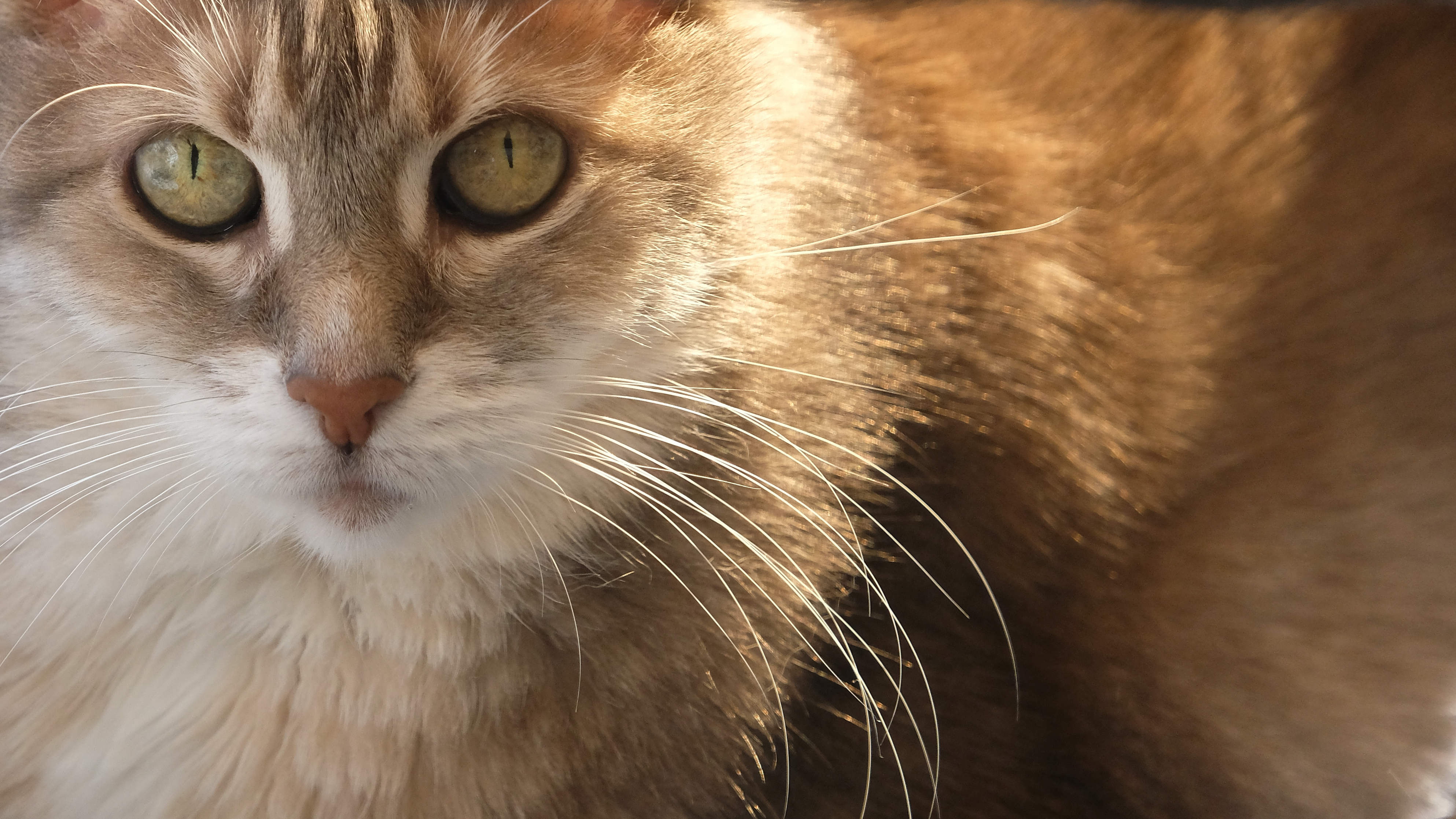
© Photos Daniel M: Fujifilm X-T20 / XC35mm F2 & X-E3 / XF 50mm F2 WR ( X-H1 illustrations); Fujifilm X-H1 / XC50-300mm OIS II /XF50mm F2 WR / XF55-200mm OIS / XF27mm F2.8

20 août 2019

The Fujifilm X-H1 strikes again!

Hard to believe, even a few months ago, that the Fujifilm X-H1, the professional APS-C format X-mount camera with IBIS, is now available at a selling price point of $999 US ($1299 CAN). Already offered since the beginning of 2019 year at a very attractive selling tag ($1299 US, $1699 CAN), this time Fuji surpassed all the odds with no indication (at least for the moment) of a release for an updated version of this pro model.

So what the point for us? I would say that if you are looking to buy an X-T3 or X-T2 models, you should certainly consider seriously the alternative. Because the Fujifilm X-H1 is in my sense the real Pro camera from them that give you not only IBIS but also the ruggedness we are looking for an intense use of a photo equipment.

It is true that the Japan Olympics in Tokyo are around the corner and we can expect something in 2020 from Fujifilm that will probably update the X-H1. But the special opportunity to get the actual version is unique especially combined with the grip and maybe an additional lens. And we know that Fujifilm is caring about its customers by issuing frequently useful updated of their models.

So what's preventing ourselves to have access to such a high profile product? It is now a moderate affordable option...

07 avril 2019

Le Fujifilm X-H1: le boitier "Pro" chez Fuji APS-C


Oserais-je ou n'oserais-je pas? Telle est la question! Il y a mon amour pour les appareils photo compacts (à objectifs interchangeables) et il y a mon ancienne vocation professionnelle, tout cela chez un même aimant de photographie devant Dieu et les hommes. Bref une espèce de quadrature du cercle insoluble. Et cela s'ajoute ma passion pour les beaux objets d'équipement photographique!


Alors j'ai succombé à la tentation et fait l'essai du Fujifilm X-H1. En recevant le boite contenant l'ensemble boitier et poignée d'alimentation, j'ai songé à m'inscrire à des séances-minutes de musculation mais heureusement en retirant le boitier seul de l'emballage, le souffle m'est revenu quelque peu. Car le Fujifilm X-H1 ne fait pas dans le petit compact et me rappelle bien mes anciens boitiers analogiques Nikon F3 et F4, sa préhension étant similaire à ces ancêtres si vous ajoutez la poignée VPB-XH1 au Fujifilm XH-1.


Tout dans ce boitier X-H1 reste "somptuaire". Son viseur électronique, EVF, vous donne un aperçu d'image très similaire à un viseur optique reflex traditionnel. L'information y est complète et configurable et l'affichage s'ajuste au cadrage vertical. L'accès direct aux ajustements de base (Sensibilité, vitesse d'obturation, ouverture de l'objectif, reprise manuelle de mise au point) est un plaisir toujours renouvelé. Sa stabilisation du capteur d'images est un outil sans pareil et plus particulièrement quand vous le couplez avec un objectif non-stabilisé optiquement. Sa discrétion de déclenchement est sans pareil tout comme la douceur de son bouton-déclencheur. Et il est résistant aux intempéries, une qualité toujours appréciée du baladeur impénitent sans égard aux conditions météo.


Plusieurs fonctionnalités comme les touches de mémorisation de l'exposition et de la mise au point sont très commodément situées et ne prêtent pas à confusion. Une prise flash-synchro traditionnelle est un joyeux archaïsme rassurant mais, avouons-le, tout à fait dépassé. L'ajustement dioptrique du viseur électronique est facilement accessible. Pour un utilisateur déjà familié à l'interface de Fujifilm, l'adaptation sera aisée.

Les possibilités de configuration du Fujifilm X-H1 sont très, très étendues et permettent une personnalisation très poussée de l'appareil. Peut-on vraiment être en mesure d'exploiter un tel instrument ne fut-ce qu'à une fraction significative de son plein potentiel? J'en doute même si pour certains aspects plusieurs pourront en commenter certaines limitations techniques et surtout du coté vidéo bien sûr (Ceux -là sont toujours à renâcler mais je vois rarement leur production!!!).


La présence de deux ports d'entrée pour cartes mémoires SD accroit significativement l'autonomie du Fujifilm X-H1. Couplé avec le poignée d'alimentation VPB-XH1, vous obtiendrez suffisamment d'énergie et d'espace-mémoire pour une journée et plus de prises de vues sans entrainer de changement d'accus ou de cartes. Bien sûr certains frénétiques du déclenchement incontrôlé pourront me contredire mais, au fait, que font-ils de toutes ces images (semblables)? Car nous parlons d'une capacité moyenne de 1000 prises de vues pour les trois piles-accus (boitier + poignée) et de plus du double pour deux cartes mémoires de 32GO ou mieux. Pour fin d'ironie historique, on parle bien de l'équivalent de plus de 27 cartouches de 36 poses en format 35mm film...


Il ne faut surtout pas omettre de souligner l'excellente qualité des simulations film offertes par le Fujifilm X-H1 et du niveau exceptionnel de son imagerie en format JPEG. Et que dire de ces riches alternatives en noir et blanc qui m'amènent parfois à revivre ma douce passion pour le monochrome parfois peut-être exagérément pour certains dont l'univers se mesurent en couleur plutôt qu'en nuances de gris. Car ce n'est pas justement l'aspect le plus essentiel de l'activité photographique, i.e. l'image qu'on en fixe pour sa petite éternité.


Bref le Fujifilm X-H1 a tout pour plaire même si sa présence physique se fait bien sentir. Que ce soit en main, à l'épaule ou dans le sac, vous ne pourrez pas l'oublier! C'est donc une bête conçue en priorité pour faire de la photo et non un accessoire d'ornement qu'on peut porter sans trop d'inconvénient ( soyons bons princes et princesses car Fujifilm offre déjà plusieurs autres modèles d'appareils conçus à cette fin ... mais qui prennent aussi de bonnes images!).


Il y en a quand même quelques petits irritants. Par exemple un oeilleton d'oculaire de base (qui peut être remplacé par une version amincie EC-XT S)trop proéminent pour les porteurs de lunettes comme moi. Un accès moins direct à la correction d'exposition (la roulette avant ou arrière peut être configurée de façon permanente via le menu config. touche/molette @ bouton rég. comp. expo. @ bouton marche/arrêt) comparé à tous les autres modèles de la série X ce qui est étrange pour cette catégorie "pro" d'appareils. Un bouton-poussoir d'accès au mode lecture situé sur le coté gauche supérieur qui le rend inaccessible au pouce de la main droite et oblige le photographe à utiliser sa main gauche (vous pouvez opter dans le menu config. écran pour l'affichage momentané ou continu de la dernière prise de vue). En un mot quelques vétilles comparés aux avantages inhérents du Fujifilm X-H1. D'autres pourront approfondir le tout pendant que nous prendrons des photos...


Le Fujifilm X-H1 ne craint pas les contextes de faible luminosité intérieure ou extérieure. Avec son viseur électronique et sa stabilisation embarquée, tout est prétexte à photographier et laissez-vous tenter car les opportunités de belles images sont là. Pour les adeptes d'éclairage naturel et de sujets pris sur le vif, le X-H1 est l'ami de tous les photographes spontanés dont je suis membre du club sélect depuis longtemps! Même la plus grande inertie (poids) de l'appareil encourage une meilleure stabilité de prises de vues.


En "shooting" vertical, i.e. en cadrage portrait, le Fujifilm se manipule aussi bien avec ou sans la poignée d'alimentation optionnelle VPG-XH1. Cette poignée d'alimentation s'adaptera d'autant plus aux situations où vous opterez pour une optique plus volumineuse. Les vertus de la poignée VPG-XH1 comprenant également une autonomie accrue par trois, une meilleure préhension verticale de l'appareil avec certaines touches-fonctionalités de base reportées et un port d'entrée pour un casque d'écoute. Douce attention de Fujifilm, un adaptateur-chargeur secteur est fourni avec la poignée et permet la recharge des deux accus à même celle-ci.


Le Fujifilm X-H1 reste un appareil très versatile au sens qu'il permet l'ajustement des mêmes paramètres mais de différentes façons, ce que rend très aisée sa configuration et facilite le confort de l'interface d'utilisation. L'adaptation demeure rapide et sa personnalisation très efficace. Et les résultats photographiques sont à l'avenant de la qualité de construction de l'appareil. Nonobstant sa dimension plus moyenne que compacte et son poids accru, la présence de la stabilisation interne du capteur et la finesse de son viseur électronique justifient en grande partie ce possible inconvénient. Et sans oublier sa vocation a priori pleinement professionnelle.


Note: Comme à l'accoutumée, je ne traite pas ici des caractéristiques propres à l'utilisation vidéo du X-H1.


Toutes les photos illustrant le X-H1 ont été prises avec l'appareil Fujifilm X-E3 et l'objectif Fujinon XF 50mm F2 R WR.