(Personal) An old and very good friend of mine had the generosity (Thanks Claude!) to give me his Olympus OM-D E-M10 Mark III camera for my birthday. The camera was absolutely in mint condition (if not new) in its original box and with all its accessories and documentation. I began to play with my new toy saying to me it might be a good second ("B") camera but within a few days of cohabitation, it has become my first and only one for all the duration of my Guadeloupe month stay this winter.
So, what it is to going back to a less sophisticated and performing product? I cannot tell it easily (may be because I am profoundly tired of trying to cope with the ever unfinished technological race). But it can be an interesting challenge.
After a month of almost daily use in the Guadeloupe environnement, the Olympus OM-D E-M10 Mark III is still performing nicely although I became aware about its fondamental limitations such as its autofocus system and its less resolution 16MP image sensor. So, let’s do this very informal camera review.
The gift: the Olympus OM-D E-M10 Mark III
After the conversion of the Olympus OM-D E-M1 III and E-M5 III to their new denominations as OM-1 and OM-5 respectively, many are expecting something similar will happen for the E-M10 IV in the near future. We will see if it comes in reality but there is a definitive heritage that all the OM-D E-M10 series (Original, Mark II, Mark III, Mark IIIS & Mark IV) are sharing and it is their obvious compactness and for their design with a a centered viewfinder (SLR like).
A brief look at any OM-D E-M10 model versions may recall us many compact SLR 35 mm analog cameras such as the Olympus OM, the Nikon EM/FG or the Pentax MX/ME series. The size of their bodies are similar although those cameras can fulfill a more extended image/film area of 24X36mm instead of the smaller Micro Four Third image sensor format (13,5X18mm). Ergonomic and mostly interface are sharing also an apparent parenthood. It is clear that the older have inspired the digital sucessors to a certain extend.
Not everybody like compact designed camera models finding them too much small to be properly and securely handhold and interacted with. The body design of the Olympus series have always very appealing for most of those who have migrated from the traditional SLR analog cameras to the digital world. For some reviewers their ergonomic will reveal that the OM-D E-M10 is not perfect in regard of their smallish dimensions. Push buttons, control dials, swift are cramped into a very minimal area and user confusion can be easily happen before becoming more fully aware about their particular interface configuration. The back screen (live viewfinder - LVF) is occupying a prevalent space which is an advantage in this case.
The electronic viewfinder (EVF) experience.
What have strike me first when I first use the OM-D E-M10 Mark III is its electronic viewfinder (EVF) which is very clean and, most important, very detailed. In fact not all EVF with a 2.39 dots of definition are equal as we may think first but the Olympus EVF formula used on the OM-D E-M10 III is equal or even better than some higher selling price MFT camera models. We can only regret that the viewing datas don't automatically rotate to accommodate vertical framing (portrait).
The tilting LVF (back screen) is a reminiscence of the original OM-D E-M5 with its capacity to be used as a waist level viewfinder and as an "over the crowd" one. It cannot be reversed and its limited mobility prevent a useful "outside camera viewing" or a fully closed and protected screen surface. On the positive side, it is a touch screen practical for surfing through the menu setting and for the subject focusing point designation and the camera picture release if needed.
Olympus Spot Metering: a legacy
One of the most efficient and spectacular feature of the Olympus camera models over the years are their exposure metering system which is, in fact, a great legacy from the analog-film era and the original OM 35 mm camera models. The OM-D E-M10 Mark III exposure lecture is very accurate from the chosen image sensor surface area you have selected (Matrix, Center, Spot) and we only regret the absence of the multi-spot metering calculator "à la" OM (analog models). Each camera manufacturer has its strong point and Olympus has maintained its over the top advantage with their exposure metering system.
A simplified interface for an entry level camera model
Interface simplification has been always an engineer dream that want to propose an almost totally exempted of manual camera control for a fully automated device for its user. That can be very appreciated from the part-time photo taker that doesn't want to be involved into the many camera processing adjustments. But the final result is that even the more elementary parameters are becoming less accessible if not completely unreachable. Luckily, the Olympus OM-D E-M10 Mark III is, at least, incorporating most of the basic access to these parameters with controls dials or function buttons for exposure metering (ISO), aperture and shutter speed control dials and exposure corrections.
The operating modes (P, A , S, M, Auto, Scene, Advanced, Art, Movie) are also directly configurable. The only real interface drawback is the more difficult access to the autofocus setting (AF-S/AF-C/M) via the rapid menu although you can configure the Fn2 function button in that specific matter. The On-Off switch position respect the old Olympus tradition to be localized on the left upper side of the camera body.
Olympus have decided to restraint a certain amount of previous configuration options that were present into the previous OM-D E-M10 Mark II model in limiting the number of push button and functionalities available to do so. In doing so, the OM-D E-M10 III has became clearly less versatile for people that want to personalize their camera to theirs specific needs and tastes. Those one (which I am!) may struggle to find or not a practical way to interact with the OM-D E-M10 III.
Menu "à la carte"
For those Olympus owners who are familiar with the complexity of the OM-D menus, they will be surprised by the simplified OM-D E-M10 Mark III menu presentation and they may be frustrated by the obvious absence (or removed) of some previous configuration options (and of which some are not compensate in any ways). Considering the low cost of electronic program implementations, this is not the best interface design decision in regard of the Olympus faithful clientele.
Auto-focus abilities and inabilities
If you are relying on the OM-D E-M10 III single or stop autofocus (AF-S) system, you might discover one of its most surprising asset because the camera will set the focus point in a fast and competent manner most of the time, even with low contrast (and low light) subjects. Sure the autofocus system is no help with completely plain and no detailed surfaces and these situations will require your manual intervention. Using the continuous autofocus (AF-C) setting is a complete different story because the camera system visibly struggle to maintain its focus point when the subject is moving even when you are selecting the AF-C with tracking (TR) optionality. It is clear that the Olympus OM-D E-M10 Mark III is not a "follow-action" camera and you may have to use a focus locking point (pre-focus) and anticipate the photo-taking moment to get a better chance of succeed.
Color and monochrome picture renderings
Color science into the digital photographic is now so versatile in its multiple configuration, effect and pre-treatment, that is almost impossible to not be able to at least reach a certain point that will suit your needs and tastes. Most of the limitations encountered during the analog-film days are a thing of the past although there will be always space for some marginal improvements. In general Olympus JPEG picture files will be accurate may be with a zest of cooler temperature from the original scene especially with interior artificial light, situations which the white balance adjustment is notorious for its difficulty to interpret flawlessly, in particular with mixed light sources.
Black and white photographic rendering of the OM-D E-M10 III is excellent although I would appreciate to have different contrast level options right from the camera instead of doing post-editing to get it.
Some missing things...
No special provision for a better environnemental camera body protection (weather resistant - WR) has been applied to the Olympus OM-D E-M10 Mark III compare to the higher priced models (E-M5 or E-M1). I wonder if it is relevant in our today climatic world to maintain that kind of material discrimination among the different camera model level series. Even the selling price point seems to me not an important factor especially if you consider what is observed in the smartphone market.
No complete switch-off of the LVF (live monitor) that can be combined with the use of the EVF auto-switch during photo-taking session. That option is particularly useful since the back screen cannot be reversed and to get full protection).
No Custom (C) settings are programable on the OM-D E-M10 III which can be annoying when it is combined with no direct access to some important parameters such as an AF-S/AF-C/M configurable options as for the exposure metering pattern options.
No autofocus phase detection functionality (only the classic contrast one is offered) which is unqualified the OM-D E-M10 III for any serious continuous autofocus subject contexts with a workable rate of sharp picture success. Pre-focusing remains the only and incomplete alternative.
The Olympus OM-D E-M10 Mark III image sensor definition is also limited to 16 Mega Pixels (MP) which is at least one generation behind most of the recent offer into the Micro Four Third image sensor category (20MP). That issue has been correctly addressed with the introduction of the Olympus OM-D E-M10 Mark IV and should be equally later observed if the probable OM-10 to be introduced by OM System.
__________________________
What to expect from the OM-D E-M10 Mark III
Obviously good pictures! Certainly equal from the those that the previous Olympus OM-D E-M5 original and OM-D E-M5 Mark II have produced over the years and with the satisfaction from their users. That been said it is true to add that there has been a normal technical evolution into the MFT world over the years. But at the end the real challenge you might ask to yourself may be how I can use the Olympus OM-D E-10 Mark III to produce and share interesting pictures that will last a little further than the only moment that they have been taken because, in fact, it is you, the photographer!
On the other point of view, the OM-D E-M10 III cannot really compete in terms of performance, interface and protectively with the more recent Olympus / OM System products such as the OM-D E-M5 III or the newest OM-5 but these ones are noticeably more expensive to own. For an outdoor, street or travel photographer, these later choices could be more appropriate without scarifying the compactness of the camera-lens combination (especially with the M.Zuiko ED 14-150mm F4-5.6 II all-around zoom lens).
___________________________
At the end of this experimentation, the Olympus OM-D E-M10 Mark III has been appreciated as a competent camera, compact and discrete that can deliver fine pictures (but in reminding us that is not in any way a real action camera).
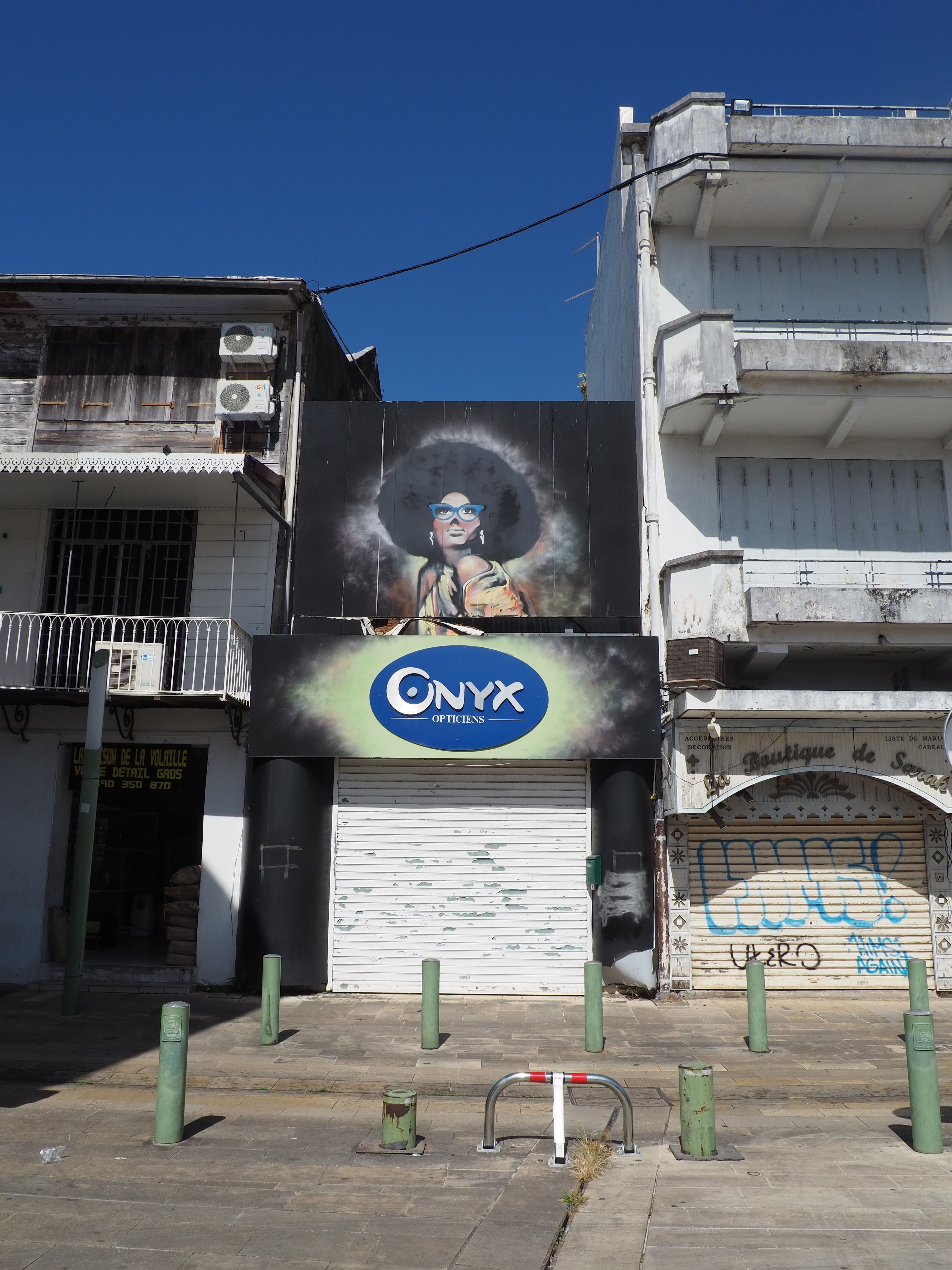
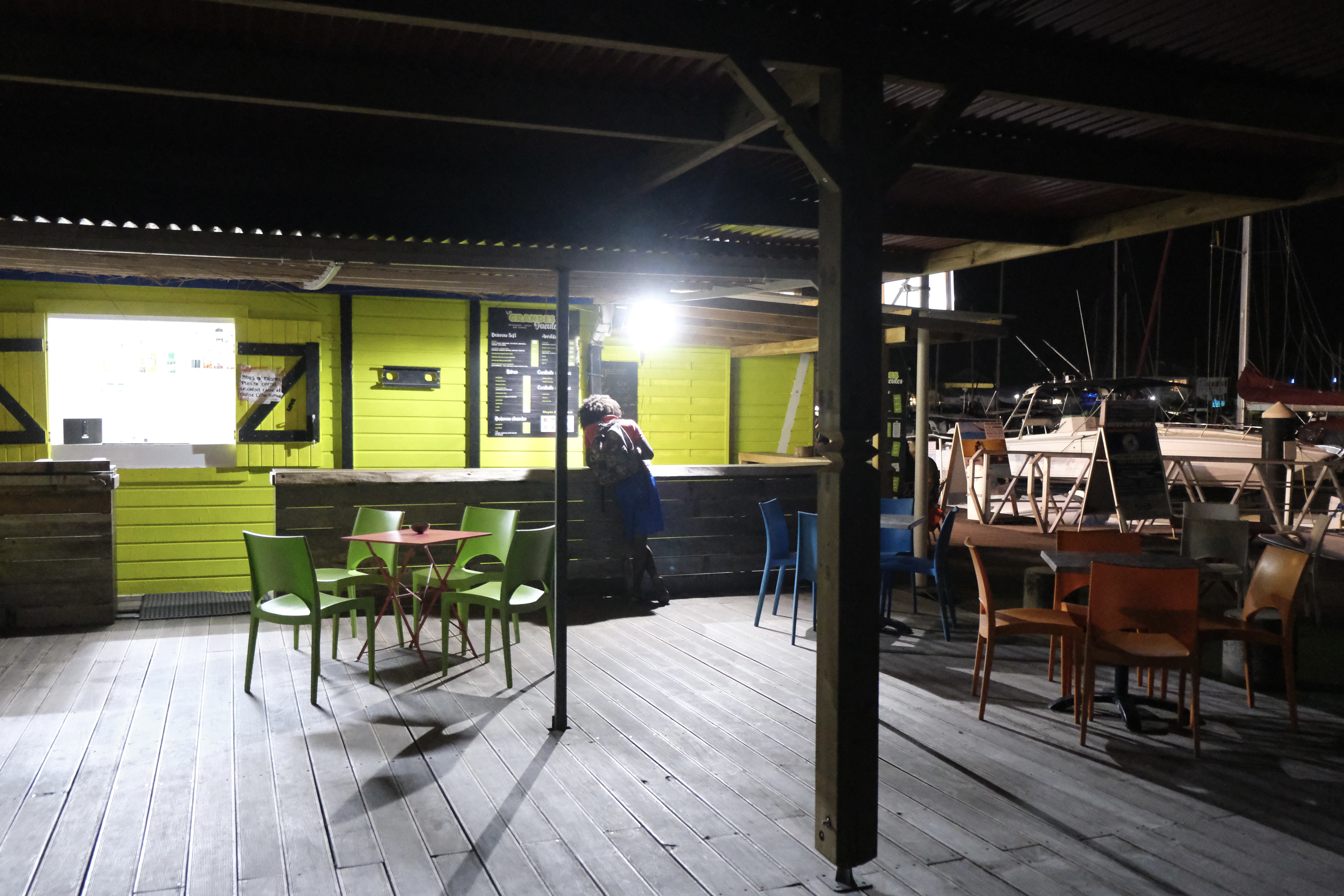
Photos Daniel M: Olympus OM-D E-M10 Mark III / M.Zuiko 14-42mm II R / M.Zuiko 40-150mm F4-5.6 R II







.jpeg)

.jpeg)