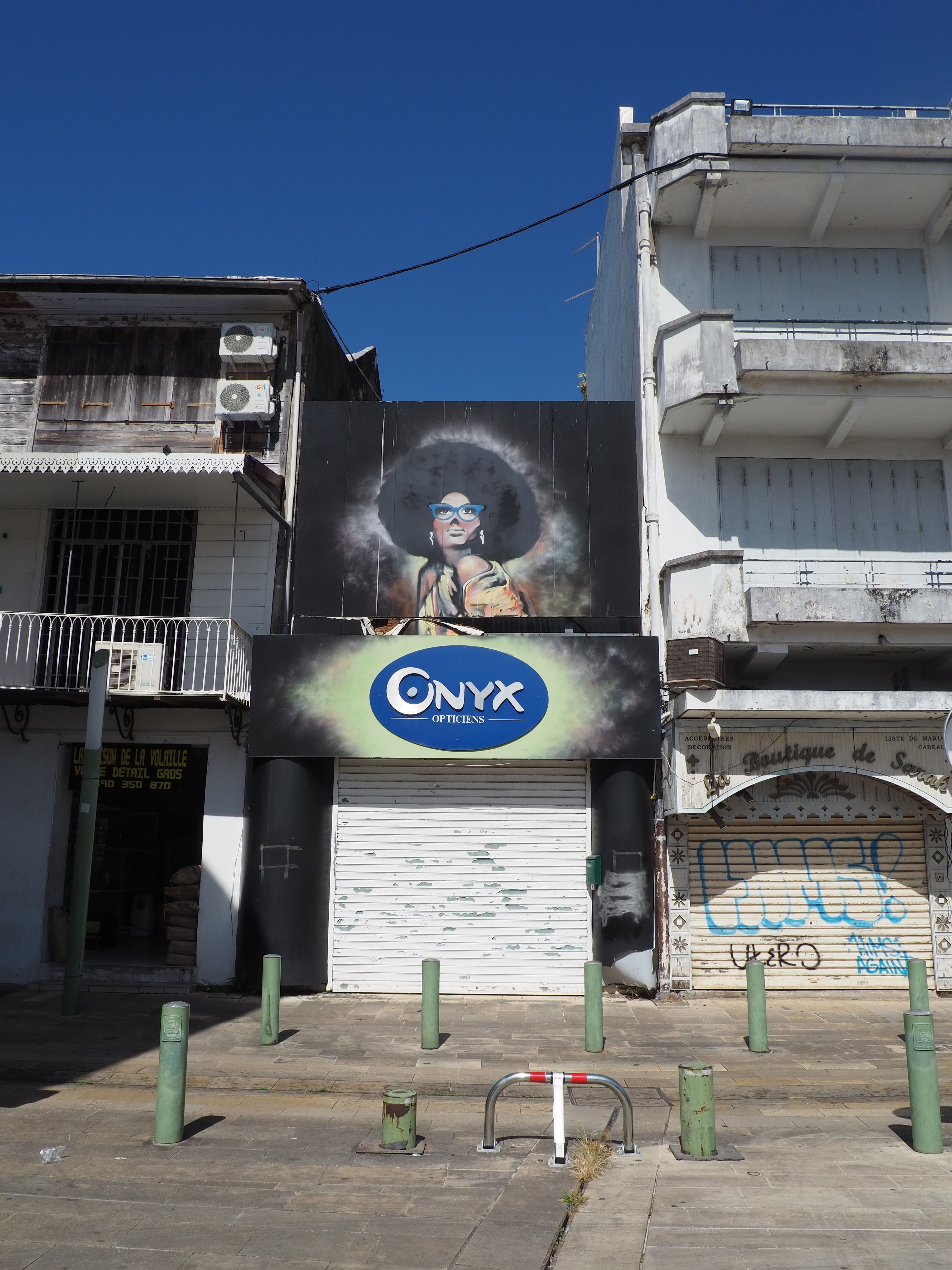
25 mai 2023

Our own convictions against the reality checks!


The Artificial Intelligence (AI) debate cannot only be about the accuracy or the pseudo-realism of fake or "creative" alternative views of our surrounding life (including people). It concerns also our profound believing of what can be, would be, prefer to be, reality is for us. In other words, we cannot change the perception of somebody else if this very person won't accept any critical point of view that contradict their already conceive interpretations of facts. 

For photographers, it is interrogating their own convictions about integrity and honesty in regard of their imaging subjects and their specific and artistic interpretation. In this very competitive world of explosive demographic, the social, economical and political pressure has never been so high and it is an easy understanding that people want to get a psychological and simpler refuge face to the always growing individual and collective challenges that each next days are bringing. And the photographic world cannot escape this new "reality". 


Manipulating picture has been part of the history of photography since its very beginning. Using it as a propaganda tool also. Photography is not an "objective" technique or art. But saying this doesn't allow us to simply withdraw any responsibility concerning our subject interpretations. When we speak about integrity, we often refer to honesty in front of the others but we often forget that this process must begin about ourselves. If the main purpose of register and share pictures is showing something before demonstrate a preconceive argue, there is always a chance that those iconic representations deliver a message larger than the first impact intended by their authors. Integrity is proposing an open door instead of a close minded perspective.


One part of doing photography that is very interesting is its exploring value of the subject. We want to expose this subject with different aspects and contexts that will confer to the picture its originality. It is also part of an intention of seing openly, differently, unlimitedly our surrounding world. It questions us and contributes to the evolution of your thinking. And it creates alternatives to a stationary state of mind that often cannot cope with dissident but true realities of life. Photographers can and may contribute themselves to this human salvation search and progress. 

***

Creativity implies the use of many interesting techniques and those techniques are by definition tools without any predetermined opinions about the subjects we apply them. It is to us to consider if the interpretation of the subject will correspond to our own integrity.

Photos Daniel M: Olympus OM-D E-M1 Mark III / M.Zuiko ED 12-40mm F2.8 Pro; OM-D E-M10 Mark III /  M.Zuiko 14-42mm R 

20 mai 2023

Compact, affordable, performing!


 Three words that can definite what camera system I have been looking for ever tirelessly for the last four or five past decades. First during the analog-film era and thereafter with the promising introduction of the digital photography. Have we reached this goal today? In one way, yes because there are good performing compact digital camera systems available to the enthusiasms or even the professionals that are looking for it.

The true is that even though this achievement has been reached in the past decade, we are still looking for improvement if not another big technological breakthrough even if necessity cannot entirely justify it. The popularity of “doing photography” has exploded in particular with the event of the multi-task cellular phone and their constant performance improvements. The debate to know if all those pictures will be shared or edited and archived is another think to consider but we can leave that for another for-coming discussion.

What we are looking, at least for some of us, from the technological evolution point of view, is the ability to design smaller competent real cameras (yes, with a true viewfinder and a practical ergonomic interface) that are small enough to be bring with us without any size dimensions and weight annoyance. Over my modest experience as a everyday photographer, I have concluded that for the traditional film-analog era, the 35mm format was one of the finest compact (manual focus only) camera design (that assessment have deteriorated later when the autofocus and motorized models have appeared). For digital photography, I have fully embraced the Micro Four Third image sensor format for the obvious reasons of the camera-lens combination size and weight. We can say almost the same for the APS-C sensor format although this particular combination is in fact a bit more bulky.

There is always the famous image quality debate raging between the smaller sizes image sensor formats especially concerning the so-call Full-Frame (religious) adepts but you can choose to completely ignore them knowing that the most vindicative of them seem to have a problem to concentrate themselves for producing and sharing their own pictures😉.

At the end, a new dream camera is no longer part of my everyday though since the actual photo manufacturer offers should satisfy most of the photographer’s needs for a compact, affordable and competent photo (primarily designed for) device.

Photo-illustration Daniel M

09 mai 2023

Forward to the past: the Olympus Pen-F keeps coming back again!


 It is one of a kind never preceded, never replaced (by Olympus) after all those years of love and discussions about its possible future. But, in one way, the Olympus Pen-F digital camera was already at its evolutive pinnacle right from its introduction. Sure you may argue there is always place for improvements and it has been a pity that Olympus has stopped its effort after this very unique camera model.

This spring I was totally unable to resist to own a third copy of the Olympus Pen-F. Finding one a good shape at a reasonable selling price on the use market was an outmost challenge (Thanks to Louis, a fellow Canadian, that made this dream to happen again).

The Olympus Pen-F (2016) was release only seven years ago and have appeared to be a very niche Micro Four Third (MFT) digital camera model right from its start. Controversies about its video interface (No microphone & headphone ports) have introduced certain doubts about its overall capability but photographically speaking, the Pen-F have certainly equaled and have surpassed the Olympus OM-D E-M5 Mark II model available at the time. The absence of the weather resistant (WR) characteristic has been also a deterrent factor for some others. At the end, all these reserves regarding the Pen-F have been proven to be less important today if you consider that the Olympus Pen-F in use condition is selling an higher price than it was brand new!

The fact is that the Olympus Pen-F is a very discrete camera model (even more in its black livery). For street photographers, for travelers, for everyday photo takers, the Olympus Pen-F is a small marvel to interact with and can give excellent picture results. Moreover it perfectly suit the use of small lenses with good maximum aperture of F1.8-2. Its handling is similar of what we can expect of a rangefinder style digital camera. Additional grip can be obtained with the optional ECG-4 grip but at the cost of a more bulky photographic device. The electronic viewfinder (EVF) is detailed although its magnifying ratio stay modest compare with the Olympus OM-D E-M5 Mark II or Mark III models for example. The back screen is fully articulated and can fold in for maximum anti-scratch protection.


All the control dials and function buttons are easily accessible. The mode dial have four different custom setting available which is exceptional. The dedicated exposure correction dial is also an exception compare to many other Olympus models. The special effects front dial allows you to set directly the Pen-F at its monochrome and color modes. The shutter release button is smooth and its pressure reactivity is predictable and you can use it with a traditional photo cable release cord. The On/Off switch mimic the older rewind reel used into past analog-film cameras. No flash has been incorporated to the Pen-F body but an add-on and head-orientable mini-flash (FL-LM3) was furnished by Olympus with the other usual accessories. You can consult these further personal reviews of the Pen-f here.

The Olympus Pen-F interface is very complete although it will ask you a certain learning effort on your part (as for all Olympus camera model interfaces). I suspect that more and more the camera manufacturers will introduce new camera models with extendedly integrated artificial intelligence (AI) that will take charge of all the parametric aspects of their camera. That could be tricky considering that the personal bias of the photographer might be ignored and be overpassed in favor of implanted algorithms. Creativity and originality may be the last frontier to preserve for the art and cultural human evolution. Only the future will tell if this artistic threat can be overpassed.

One of the best lens combination with the Olympus Pen-F can be obtained when you are selecting one of their Premium series optic: M.Zuiko 12mm F2, 17mm F1.8, 25mm F1.8 and 45mm F1.8 (the ED 75mm F1.8 is also a brilliant choice but with a larger size factor). All those Premium lenses will perform neatly with the 20 megapixels Pen-F image sensor. Pictures will be crisped and fine definite and color rendition will be similar along the entire focal range. Because of the bulk of the M.Zuiko Pro lenses, you can felt much less handheld comfortable to attach them on the Pen-F except if you intend to use your left hand as the main support of the lens-camera combo.


Few words about the esthetic presentation of the Olympus Pen-F: it is classic, it is gorgeous, it is glamour. It is still a reasonable pleasure that a photographer can afford to pay for (in the used market) at this very moment in time that digital camera "rangefinder like" new models tend to disappear from the actual camera manufacturer catalogue. For the record, specialized photographic devices have been always a niche market (but it is true to say that all the past Brownies and Instamatic of this world have been replaced by the today multi-fonctional phones).

The Olympus Pen-F is a very creative tool as least for its supportive users like me. It suit a specific style of photographers that want to be less intrusive with their subjects, let say, more casual in their approach. If you are an observer type of person that like to further analyze your preferred subjects with a repeated visiting, the Pen-F will be an almost perfect companion.

Photos Daniel M : Olympus OM-D E-M5 Mark II (Pen-F Illustration); Olympus Pen-F

15 avril 2023

The Olympus OM-D E-M5 Series Legacy


 The original Olympus OM-D E-M5 (2012) saved the day and have promoted the Micro Four-Third (MFT) digital photographic format pertinency. At first it was a verbal challenge just for naming this camera model that many have failed to memorize or to spell it correctly. Sure we all have understood that OM-D stands for the OM digital version but what about the E-M5 denomination. The E surely refers to the previous Olympus ILC (Interchangeable Lens Camera) digital camera E series and the M for the Micro Four-Third sensor format. That leave us with the number 5 that may be have seen as an equivalent of the Olympus Pen series (EP-1-2-3-5 models).

The Olympus OM-D E-M5 have represented a significant evolution of the first introduced Pen series (EP-1, EP-2, EP-3 and EP-5 models that didn't have an electronic viewfinder (EVF) integrated into their camera body (the only one that will eventually benefice of this feature will be the Olympus Pen-F). Moreover many add-on features has been introduced into the OM-D E-M5. Among them, a tilt-able rear screen viewfinder (LVF) (with waist-level and over-the crowd positions).

The image sensor stabilization system (IBIS for in-body-image-stabilization) is what really differentiate the Olympus OM-D E-M5 from the rest of the competition at this precise moment of the mirrorless cameras emergence. All major manufacturers will eventually follow this technical development although their time table were longer in certain cases. By choosing the in-body image sensor stabilization, the OM-D E-M5 allows the photographer to select many types of past or modern optics without loosing this advantage. It was a welcome help to go ahead with digital photography without entirely sacrificing the old lenses used with the film-analog camera systems.


The camera body architecture have mimicked the old SLR form with a centered viewing prism like we have seen with the OM analog-film camera series. Front and back control dials allowed the user to adjust easily the basic photographic parameters like the shutter speed, the lens aperture or the exposure factors. The OM-D E-M5 interface menu was very elaborated and was asking an extended learning curve to even partially master it. The two parts optional power grip was reminding us the good days of the analog-film era.

With the OM-D E-M5, Olympus has succeeded to convince many enthusiasm and some professional photographers to give a go to the whole MFT system. At the same moment in time Panasonic have presented its Lumix GH3 model that open a new Web video centric perspective for the MFT users. Despite some manufactured flaws (in particular with the control dials that may pop-out), the OM-D E-M5 proved to be sufficiently reliable for a more extensive use in adverse conditions with the help of the weather resistant characteristic (WR).


The second Olympus OM-D E-M5 Mark II (2015) have given to the E-M5 series its reliable and long lasting reputation (solid construction, versatility, competent) and may be considered as the apex of the E-M5 series. Every aspects of the design and construction of the model have been noticeably enhanced. In one word, the feeling of holding and using the camera model was much better than the first version.

The rear screen of the OM-D E-M5 Mark II was now fully rotating and can be turn in for maximum scratch screen protection. The camera body felt sturdier and control dials has been reinforced. Olympus has abandoned its special multi-function hot-shoe from the original OM-D E-M5 and replaced it by the traditional hot shoe one but they added a PC Flash synchro port to the camera for the beneficial of studio or macro photography users. The EVF and LVF resolutions has been also enhanced.

The MFT image sensor have kept the same 16 megapixels (MP) resolution of the original E-M5 although it appeared to that it was performing better. The OM-D E-M5 Mark II was a perfect optical match with the M.Zuiko ED 12-40mm F2.8 Pro zoom lens although many other combinations were equally appreciated. The handling of the camera was better secured in particular with the optional power grip if you were using larger size optics.

The Olympus OM-D E-M5 Mark II has been also one of the best rated camera model by the photographic gear reviews during its production time. Even today, the model is still used by many photographers without restriction.


The third version Olympus OM-D E-M5 Mark III (2019) have consolidated its autofocus performance (AF), enhance its (20MP) image sensor resolution and its video capability but also bring controversies about its material construction perception and its diminutive battery power. By moving its mode dial, the OM-D E-M5 Mark III have simplified its interface handling on the right side of the camera body.

With its new 20MP image sensor, the Olympus OM-D E-M5 Mark III is offering an image quality equivalent of the Olympus OM-D E-M1 Mark II Pro model. This remark applies also for its autofocus system. The hand body prehension is similar to the preceding OM-D E-M5 Mark II and it is still possible to add an optional grip but without the power supply (w/vertical grip and controls), an Olympus voluntary omission that many have rightly noticed. Moreover with the battery pack change for a smaller one (BLS-50), the camera autonomy has been diminished from the previous handy combination (OM-D E-M5 II + Vertical Power Grip).

As a competent image recorder the Olympus O-D E-M5 mark III camera model was able to retain many of the OM-D E-M5 series previous users except for those who have chosen to upgrade to the Pro models (OM-D E-M1 series) or for the ones who have simply exited the MFT image format system. The model has been partially omitted by photographic gear web reviewers at its introduction since it was not perceive as a important evolutive departure from the OM-D E-M5 Mark II preceding model.

About the OM-5

Following the Olympus camera group ownership takeover by the OM Digital Solutions corporation, the complete Olympus/OM System line up has been rationalized with a simplified camera offer without almost all the previous entry-level models. The initial release of the new Pro OM-1 camera model (replacement of both OM-D E-M1 Mark III and OM-D E-M1X models) has been a good commercial success especially among the outdoor and birder photographer niche. Their second introduction of the OM-5 camera (replacement of the OM-D E-M5 Mark III) has been less spectacular since the essential improvement of the camera was internal rather than cosmetic.

Generally speaking the OM System OM-5 has been designed to be a more rugged camera with a better environmental sealed body and to be also more performing in term of readiness and reactivity. Those enhanced characteristics are addressing meanly the photographer who like to travel, do street photography, spent time in outdoor activities, etc. with a compactness requirement in mind for their optical and camera outfit. In one way it proves that the concept idea regarding the OM-D E-M5 series has been and still is a landmark of the MFT imaging system and that will be preserved for, at least, the near future.


Photo-illustrations Daniel M

12 avril 2023

Stone-Edge


Photo Daniel M: Olympus OM-D E-M5 Mark III / M.Zuiko ED 14-150mm F4-5.6 II


11 avril 2023

Under Influence (DPReview is gone...not anymore!)


Since the publication of this post, DPReview channel and their Web Site have new owners (Gear Patrol) and have resumed about all their usual operating platforms.

Following the closure of the DPReview website (April 2023), many regret the successive disparitions over the years of "emblematic" photographic gear review sources in consideration of the general social tendency to avoid more critical points of view and choose to be comforted in their consumers habits.

 With the departure in the recent years of many photographic gear reviewers over the media planet (Web or written ones), the question about the pertinence of all these influencing people (that was before the now anticipated coming of the Artificial Intelligence invasion) has been partially addressed. In effect, marketing advertising in its many different faces have supplanted most of the more critical and informative ressources. People are better looking for web or social media sites that will "confirm" their initial consumers choices. Tastes of the month are simply more popular than reasonable approaches (and beware for the ones who will defy these fanatic and addicted product people).

It seems also that even the old saying of "Nobody is perfect" never apply in our actual society scheme. Don't listen to others, you are the best judge in any case to pick the right thing. But in fact it demonstrates that we are really and unquestionably under influence especially in this attitude which defend basically any self-critiques. And that under-influence is getting stronger than ever today (which may respond to a profound social insecurity) by adopting a pseudo religious state of mind that will solve all of our material life questioning.

All camera manufacturers have correctly understood this "evolution" of our consumer habits and are now privileging a direct marketing approach by using every media strings that are including the photographic gear review sites (YouTube or not), the "good news ambassadors" that will demonstrate how to use and getting successful with their equipment, and the "ordinary" people that will reassure you and will be pleased to share their according thought. Some "personal" photographic gear review sites (or YouTube channels) are even very funny in their self-promoting behavior by looking for your (money?!) approbation and support.

Are we really helping people by not saying some of our concerns and doubts about gear or anything else? I am not sure. Are you? There are not definitive certainties in this world and to be curious might be what differentiate us from other animal forms, but is it always true today? At the end we are "under influence" more than we can suspect in those days of overwhelming media presence.

Photo Daniel M: Olympus OM-D E-M5 Mark III / M.Zuiko ED 14-150mm F4-5.6 II 

06 avril 2023

Sepia Views


 Old fashion photography is often associated with the sepia monochrome picture rendering meanly because the old analog-film print had a tendency to get a "browny" look with time for diverse reasons. Today we can produce very easily this effect with our modern digital cameras and their special picture effects.

Here are some personal picture interpretations of the Olympus Sepia Art Filter:


Photos Daniel M: Olympus OM-D E-M5 Mark III / M.Zuiko 45mm F1.8 Premium & ED 14-150mm F4-5.6 II

24 mars 2023

A Gwadloup Experiment, the Olympus OM-D E-M10 Mark III: compactness at the edge, the street photo sniper.


  (Personal) An old and very good friend of mine had the generosity (Thanks Claude!) to give me his Olympus OM-D E-M10 Mark III camera for my birthday. The camera was absolutely in mint condition (if not new) in its original box and with all its accessories and documentation. I began to play with my new toy saying to me it might be a good second ("B") camera but within a few days of cohabitation, it has become my first and only one for all the duration of my Guadeloupe month stay this winter.


So, what it is to going back to a less sophisticated and performing product? I cannot tell it easily (may be because I am profoundly tired of trying to cope with the ever unfinished technological race). But it can be an interesting challenge. 


After a month of almost daily use in the Guadeloupe environnement, the Olympus OM-D E-M10 Mark III is still performing nicely although I became aware about its fondamental limitations such as its autofocus system and its less resolution 16MP image sensor. So, let’s do this very informal camera review.


The gift: the Olympus OM-D E-M10 Mark III

After the conversion of the Olympus OM-D E-M1 III and E-M5 III to their new denominations as OM-1 and OM-5 respectively, many are expecting something similar will happen for the E-M10 IV in the near future. We will see if it comes in reality but there is a definitive heritage that all the OM-D E-M10 series (Original, Mark II, Mark III, Mark IIIS & Mark IV) are sharing and it is their obvious compactness and for their design with a a centered viewfinder (SLR like).

A brief look at any OM-D E-M10 model versions may recall us many compact SLR 35 mm analog cameras such as the Olympus OM, the Nikon EM/FG or the Pentax MX/ME series. The size of their bodies are similar although those cameras can fulfill a more extended image/film area of 24X36mm instead of the smaller Micro Four Third image sensor format (13,5X18mm). Ergonomic and mostly interface are sharing also an apparent parenthood. It is clear that the older have inspired the digital sucessors to a certain extend.

Not everybody like compact designed camera models finding them too much small to be properly and securely handhold and interacted with. The body design of the Olympus series have always very appealing for most of those who have migrated from the traditional SLR analog cameras to the digital world. For some reviewers their ergonomic will reveal that the OM-D E-M10 is not perfect in regard of their smallish dimensions. Push buttons, control dials, swift are cramped into a very minimal area and user confusion can be easily happen before becoming more fully aware about their particular interface configuration. The back screen (live viewfinder - LVF) is occupying a prevalent space which is an advantage in this case.


The electronic viewfinder (EVF) experience.

What have strike me first when I first use the OM-D E-M10 Mark III is its electronic viewfinder (EVF) which is very clean and, most important, very detailed. In fact not all EVF with a 2.39 dots of definition are equal as we may think first but the Olympus EVF formula used on the OM-D E-M10 III is equal or even better than some higher selling price MFT camera models. We can only regret that the viewing datas don't automatically rotate to accommodate vertical framing (portrait).

The tilting LVF (back screen) is a reminiscence of the original OM-D E-M5 with its capacity to be used as a waist level viewfinder and as an "over the crowd" one. It cannot be reversed and its limited mobility prevent a useful "outside camera viewing" or a fully closed and protected screen surface. On the positive side, it is a touch screen practical for surfing through the menu setting and for the subject focusing point designation and the camera picture release if needed.


Olympus Spot Metering: a legacy

One of the most efficient and spectacular feature of the Olympus camera models over the years are their exposure metering system which is, in fact, a great legacy from the analog-film era and the original OM 35 mm camera models. The OM-D E-M10 Mark III exposure lecture is very accurate from the chosen image sensor surface area you have selected (Matrix, Center, Spot) and we only regret the absence of the multi-spot metering calculator "à la" OM (analog models). Each camera manufacturer has its strong point and Olympus has maintained its over the top advantage with their exposure metering system.


A simplified interface for an entry level camera model

Interface simplification has been always an engineer dream that want to propose an almost totally exempted of manual camera control for a fully automated device for its user. That can be very appreciated from the part-time photo taker that doesn't want to be involved into the many camera processing adjustments. But the final result is that even the more elementary parameters are becoming less accessible if not completely unreachable. Luckily, the Olympus OM-D E-M10 Mark III is, at least, incorporating most of the basic access to these parameters with controls dials or function buttons for exposure metering (ISO), aperture and shutter speed control dials and exposure corrections.

The operating modes (P, A , S, M, Auto, Scene, Advanced, Art, Movie) are also directly configurable. The only real interface drawback is the more difficult access to the autofocus setting (AF-S/AF-C/M) via the rapid menu although you can configure the Fn2 function button in that specific matter. The On-Off switch position respect the old Olympus tradition to be localized on the left upper side of the camera body.

Olympus have decided to restraint a certain amount of previous configuration options that were present into the previous OM-D E-M10 Mark II model in limiting the number of push button and functionalities available to do so. In doing so, the OM-D E-M10 III has became clearly less versatile for people that want to personalize their camera to theirs specific needs and tastes. Those one (which I am!) may struggle to find or not a practical way to interact with the OM-D E-M10 III.


Menu "à la carte"

For those Olympus owners who are familiar with the complexity of the OM-D menus, they will be surprised by the simplified OM-D E-M10 Mark III menu presentation and they may be frustrated by the obvious absence (or removed) of some previous configuration options (and of which some are not compensate in any ways). Considering the low cost of electronic program implementations, this is not the best interface design decision in regard of the Olympus faithful clientele.

Auto-focus abilities and inabilities

If you are relying on the OM-D E-M10 III single or stop autofocus (AF-S) system, you might discover one of its most surprising asset because the camera will set the focus point in a fast and competent manner most of the time, even with low contrast (and low light) subjects. Sure the autofocus system is no help with completely plain and no detailed surfaces and these situations will require your manual intervention. Using the continuous autofocus (AF-C) setting is a complete different story because the camera system visibly struggle to maintain its focus point when the subject is moving even when you are selecting the AF-C with tracking (TR) optionality. It is clear that the Olympus OM-D E-M10 Mark III is not a "follow-action" camera and you may have to use a focus locking point (pre-focus) and anticipate the photo-taking moment to get a better chance of succeed.


Color and monochrome picture renderings

Color science into the digital photographic is now so versatile in its multiple configuration, effect and pre-treatment, that is almost impossible to not be able to at least reach a certain point that will suit your needs and tastes. Most of the limitations encountered during the analog-film days are a thing of the past although there will be always space for some marginal improvements. In general Olympus JPEG picture files will be accurate may be with a zest of cooler temperature from the original scene especially with interior artificial light, situations which the white balance adjustment is notorious for its difficulty to interpret flawlessly, in particular with mixed light sources.

Black and white photographic rendering of the OM-D E-M10 III is excellent although I would appreciate to have different contrast level options right from the camera instead of doing post-editing to get it.


Some missing things...

No special provision for a better environnemental camera body protection (weather resistant - WR) has been applied to the Olympus OM-D E-M10 Mark III compare to the higher priced models (E-M5 or E-M1). I wonder if it is relevant in our today climatic world to maintain that kind of material discrimination among the different camera model level series. Even the selling price point seems to me not an important factor especially if you consider what is observed in the smartphone market.

No complete switch-off of the LVF (live monitor) that can be combined with the use of the EVF auto-switch during photo-taking session. That option is particularly useful since the back screen cannot be reversed and to get full protection).

No Custom (C) settings are programable on the OM-D E-M10 III which can be annoying when it is combined with no direct access to some important parameters such as an AF-S/AF-C/M configurable options as for the exposure metering pattern options.

No autofocus phase detection functionality (only the classic contrast one is offered) which is unqualified the OM-D E-M10 III for any serious continuous autofocus subject contexts with a workable rate of sharp picture success. Pre-focusing remains the only and incomplete alternative.

The Olympus OM-D E-M10 Mark III image sensor definition is also limited to 16 Mega Pixels (MP) which is at least one generation behind most of the recent offer into the Micro Four Third image sensor category (20MP). That issue has been correctly addressed with the introduction of the Olympus OM-D E-M10 Mark IV and should be equally later observed if the probable OM-10 to be introduced by OM System.

__________________________


What to expect from the OM-D E-M10 Mark III

Obviously good pictures! Certainly equal from the those that the previous Olympus OM-D E-M5 original and OM-D E-M5 Mark II have produced over the years and with the satisfaction from their users. That been said it is true to add that there has been a normal technical evolution into the MFT world over the years. But at the end the real challenge you might ask to yourself may be how I can use the Olympus OM-D E-10 Mark III to produce and share interesting pictures that will last a little further than the only moment that they have been taken because, in fact, it is you, the photographer!

On the other point of view, the OM-D E-M10 III cannot really compete in terms of performance, interface and protectively with the more recent Olympus / OM System products such as the OM-D E-M5 III or the newest OM-5 but these ones are noticeably more expensive to own. For an outdoor, street or travel photographer, these later choices could be more appropriate without scarifying the compactness of the camera-lens combination (especially with the M.Zuiko ED 14-150mm F4-5.6 II all-around zoom lens).

___________________________

At the end of this experimentation, the Olympus OM-D E-M10 Mark III has been appreciated as a competent camera, compact and discrete that can deliver fine pictures (but in reminding us that is not in any way a real action camera). 


Photos Daniel M: Olympus OM-D E-M10 Mark III / M.Zuiko 14-42mm II R / M.Zuiko 40-150mm F4-5.6 R II

17 mars 2023

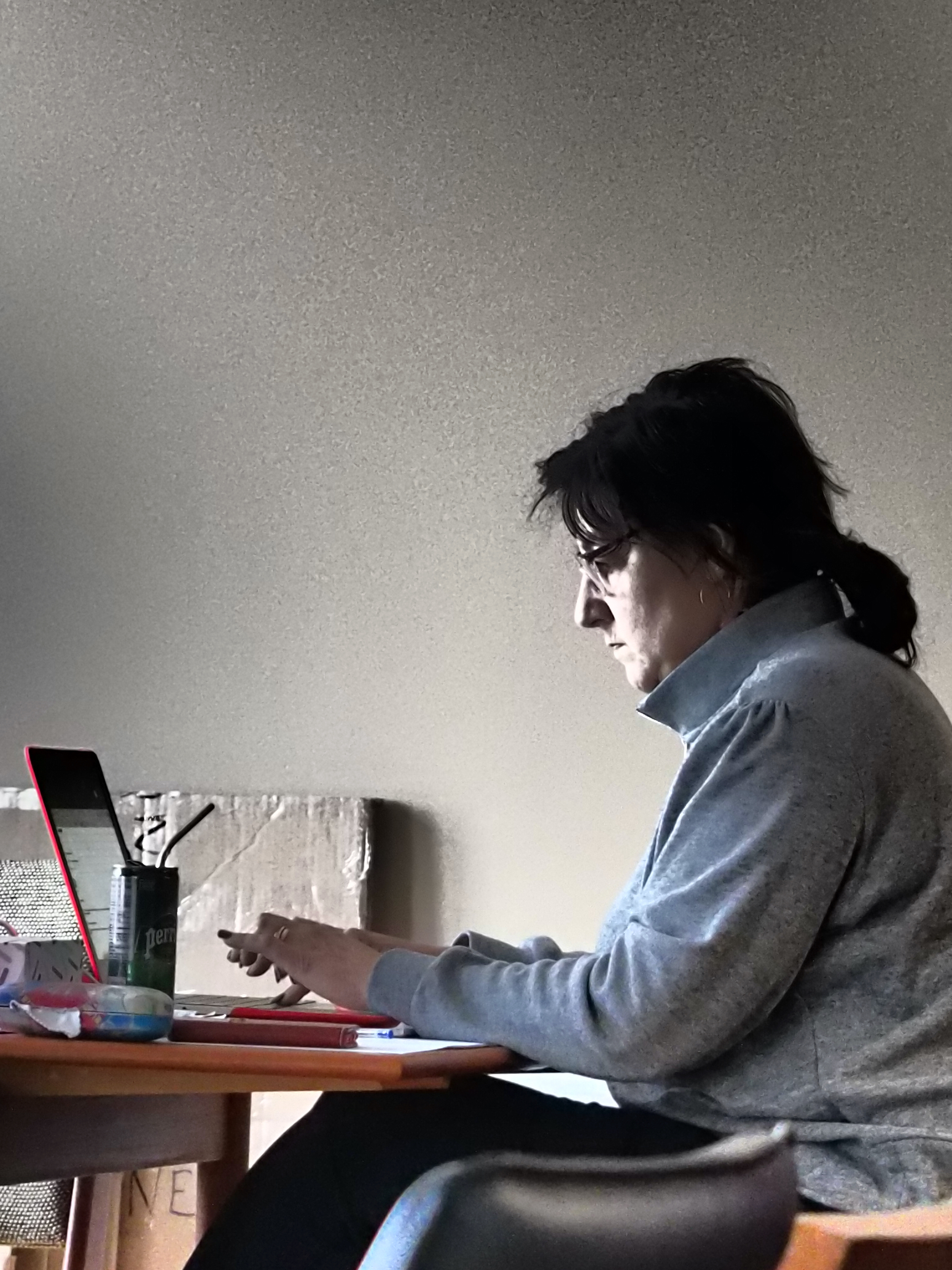
Gwadloup Street Art


 Street Art is very prolific in Guadeloupe and more particularly in Pointe-à-Pitre, the city of the inter-islands which celebrates their artistic works not only in the street but also inside their open-air museum located in the now discontinued renovation building of their former Art Center.


Many of these murals beautify old buildings and prevent their unwelcome facades from being a rather depressing sight for onlookers. There is also a sense of sociological expression about the people who live in Guadeloupe but also about other human beings around the world and its history that inspires street artists.

What is significant is the lesser presence of graffiti compared to many major North American metropolitan areas. Guadeloupean street expression is culturally deeper, more articulate and more appealing than just repeated graphic garish lines.

Here are some examples of how artistic expression can be popular and highly sophisticated.


Photos Daniel M: Olympus OM-D E-M10 Mark III / M.Zuiko 14-42mm II R 

15 mars 2023

Gwadloup Carnets: Seashore tourist watch


It's instinctive for most of us, let's say: looking at the sea! It's captivating, it's soothing, it's spiritual, etc., etc. It is also one of the last humble exercises that we as humans still consent to do. Perhaps because we understand that the sea cannot be mastered in the end by small creatures like us, even with all our pompous attempts to try it.

And the sea is an endless spectacular sight to watch and be a little scared of.


Photos Daniel M: Olympus OM-D E-M10 Mark III / M.Zuiko 14-42mm II R

14 mars 2023

Gwadloup Carnets: The Sargassum Dilemma


You can smell them before seeing them deposited on the beaches of the Guadeloupe coast. They are present and they represent a kind of dissuasive tourist trap for those who seek the landscapes of the old postal beaches. They represent the modern tourist "threat" of Sargassum.

You can see them coming from the sea by observing gradually overgrown coastal areas and when fully settled they prevent an idealistic swimming practice in the clear ocean water. But many don't know that there is a Sargasso Sea (located loosely in the center of the Atlantic Ocean) that has been around for centuries, if not millennia. And no, its characteristic brown algae is in no way the result of a polluting activity but rather a very natural phenomenon. In fact, the Sargasso Sea has been and still is seriously polluted by plastic waste (a direct result of irresponsible human activities) of all kinds now present in the water.


True, vacationers do not like the sight, the smell, the general discomfort caused by the additional presence of Sargassum. The same disgust applies to those who use motor boats because of the obvious inconvenience that brown algae can cause to propellers or turbines for example. Episodic phenomena surely obsess the greatest number more than the few who prefer to ignore it, but it is part of our geo-climatic reality that it would be almost impossible to prevent and control in the near future and is part of the life of our planet.

When the sargassum comes, isn't it time to take a break from our hectic lifestyle? The question remains there...

Photos Daniel M : Olympus OM-D E-M10 Mark III / M.Zuiko 12-42mm II R